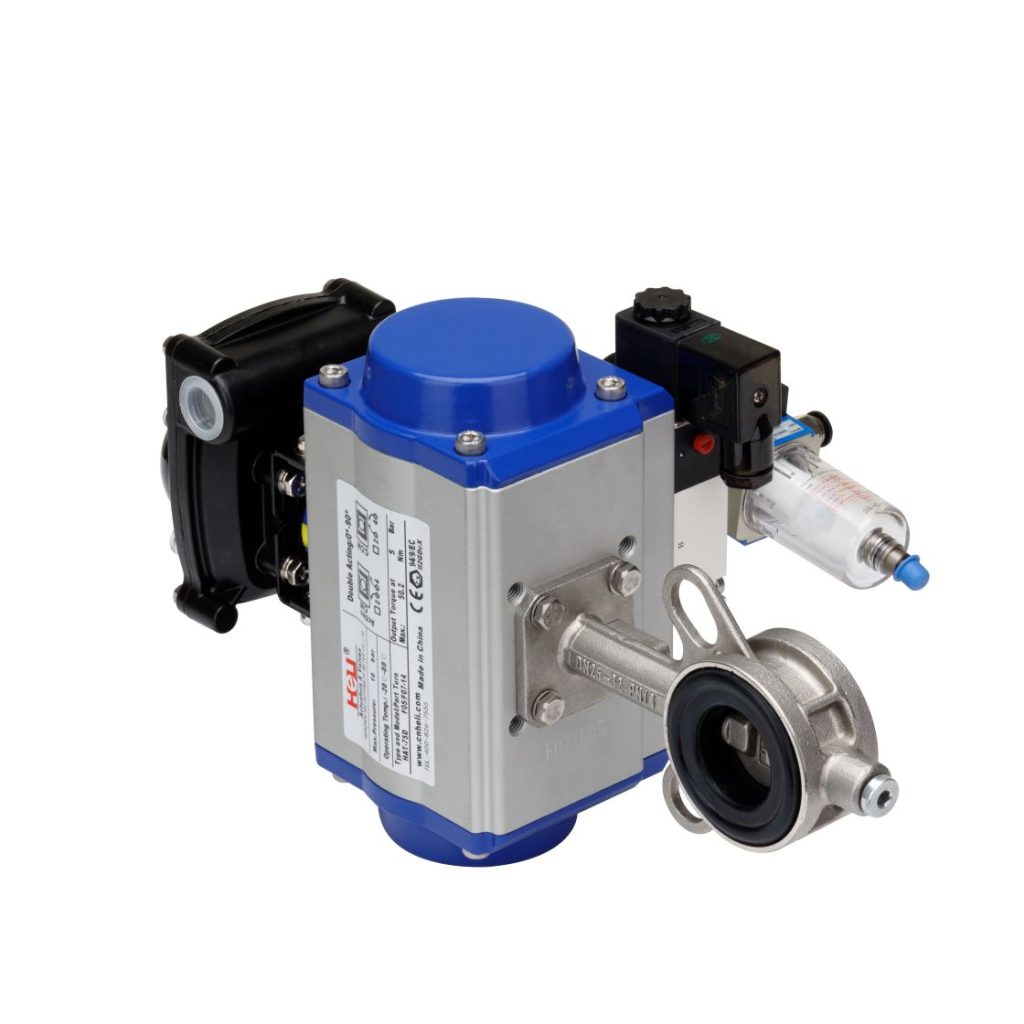
As the world shifts towards more sustainable energy sources, hydrogen stands out as a clean and efficient alternative. In this context, hydrogen energy pneumatic butterfly valves play a crucial role in the transportation, storage, and control of hydrogen gas. This article explores the design, function, and significance of these valves in the burgeoning hydrogen economy.

The Fundamentals of Pneumatic Butterfly Valves
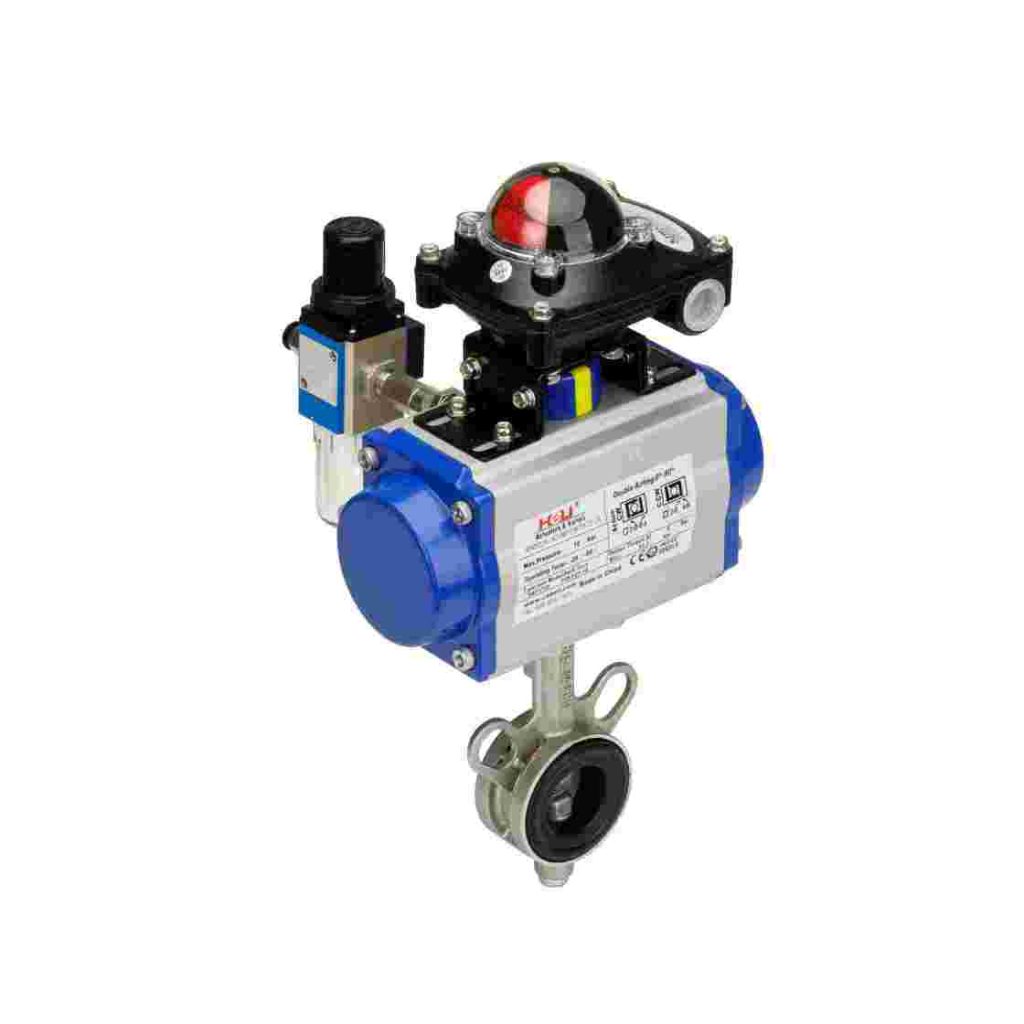
A pneumatic butterfly valve consists of several key components: the valve body, butterfly disc, shaft, seal, and pneumatic actuator. The butterfly disc, which is the heart of the valve, can rotate within the valve body to control the flow of fluid— in this case, hydrogen gas. When the disc is parallel to the flow, the valve is open; when turned perpendicular, it is closed. This simple mechanism allows for rapid and accurate regulation of hydrogen flow. Pneumatic actuators use compressed air to manipulate the position of the butterfly disc, offering quick response times essential for various industrial applications. They are particularly advantageous in scenarios requiring automatic or remote control with minimal manual intervention.