High Voltage (HV) systems, which power essential infrastructure in industries, utilities, and large facilities, require a highly reliable and safe design to ensure uninterrupted operation. One of the critical components in these systems is the HV Insulation Fault Relay, a protective device that monitors the insulation health of electrical equipment and prevents severe damage caused by insulation failures. In this article, we will explore the importance, functionality, and applications of HV Insulation Fault Relays.
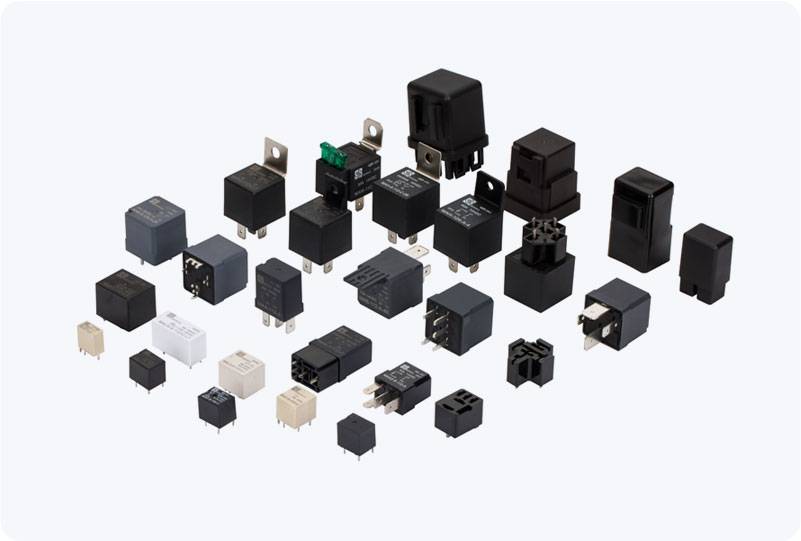
What is an HV Insulation Fault Relay? An HV Insulation Fault Relay is an electrical protection device designed to detect faults in the insulation of high-voltage electrical equipment. These relays are typically installed in circuits, transformers, generators, and switchgear to monitor the insulation resistance, providing early warnings of potential failures. By detecting insulation degradation or faults in real-time, these relays enable operators to take necessary actions, thereby preventing extensive damage to equipment and avoiding hazardous situations. How Does an HV Insulation Fault Relay Work?