High voltage (HV) systems are integral components in the generation, transmission, and distribution of electricity, powering industries and homes alike. Ensuring the reliability and safety of these systems is paramount to avoid catastrophic failures, protect human lives, and maintain the continuity of power supply. One of the key protective devices in high voltage networks is the HV Insulation Fault Relay, which plays a critical role in monitoring and safeguarding the electrical insulation of high-voltage equipment. In this article, we will delve into the importance, working principles, and applications of HV Insulation Fault Relays.
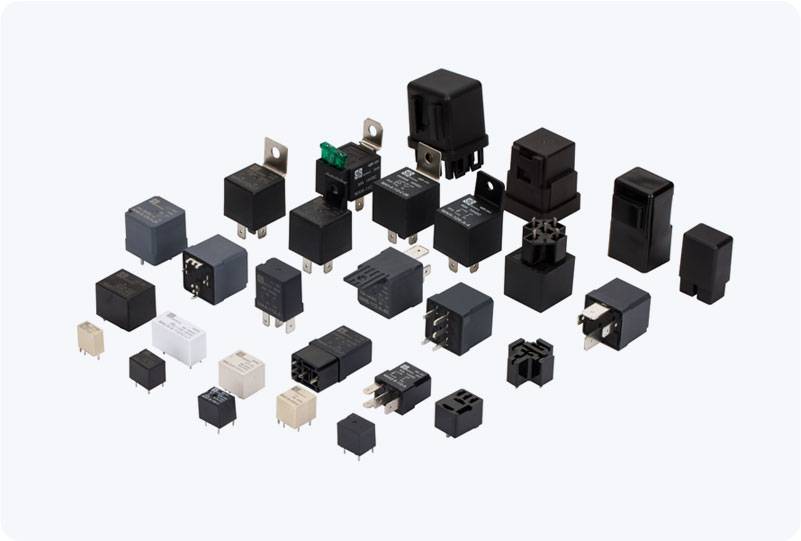
What is an HV Insulation Fault Relay? An HV Insulation Fault Relay is a specialized protection device used in high voltage systems to detect insulation failures, such as insulation degradation, dielectric breakdown, or leakage currents in electrical equipment. These faults, if not detected and addressed in a timely manner, can lead to severe consequences, including equipment damage, power outages, and even fires. The relay continuously monitors the insulation resistance and leakage currents in high-voltage equipment like transformers, switchgear, and cables. When the relay detects a fault that exceeds preset thresholds, it activates an alarm or cuts off the power supply to the affected circuit, thereby preventing further damage and ensuring the safety of the system.