High Voltage Distribution Relays (HVDR) play a crucial role in modern power systems, ensuring the safe and efficient distribution of electrical energy at high voltage levels. These devices serve as the backbone of electrical protection and control, safeguarding both the infrastructure and the personnel who operate and maintain power systems. As the demand for electricity continues to rise globally, understanding the functionality, applications, and importance of High Voltage Distribution Relays becomes increasingly essential.
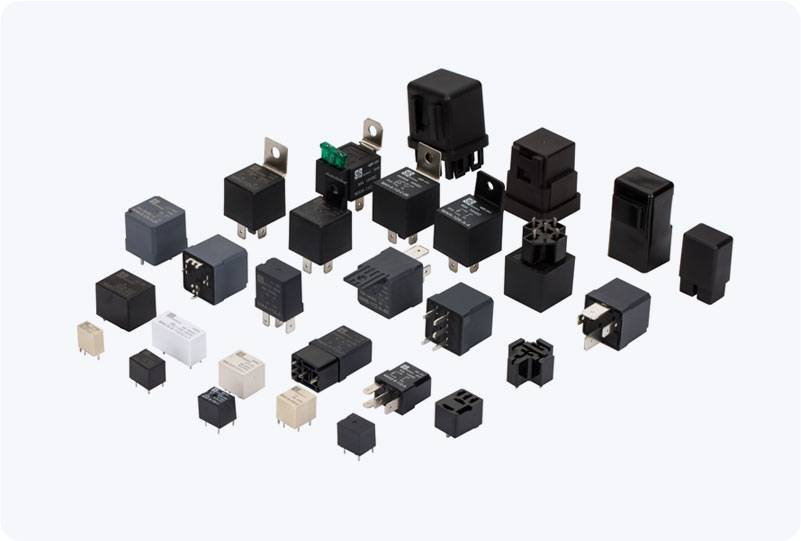
What is a High Voltage Distribution Relay? A High Voltage Distribution Relay is an intelligent protective device that monitors electrical parameters such as current, voltage, and frequency in high voltage distribution systems. It is designed to detect abnormal conditions, such as overcurrent, undervoltage, and short circuits, and to initiate corrective actions to protect the electrical system from damage. These relays are typically used in substations, industrial applications, and large-scale utility operations, where high voltage power is transmitted and distributed. Key Functions of High Voltage Distribution Relays