In modern power distribution networks, ensuring the safety, reliability, and efficiency of electrical systems is paramount. One of the critical components that contribute to these objectives is the High Voltage Distribution Relay (HVDR). This advanced protective device plays a vital role in monitoring electrical parameters, managing system faults, and safeguarding critical assets in high voltage environments. In this article, we will explore the functionalities, types, working principles, and significance of High Voltage Distribution Relays in contemporary electrical grids.
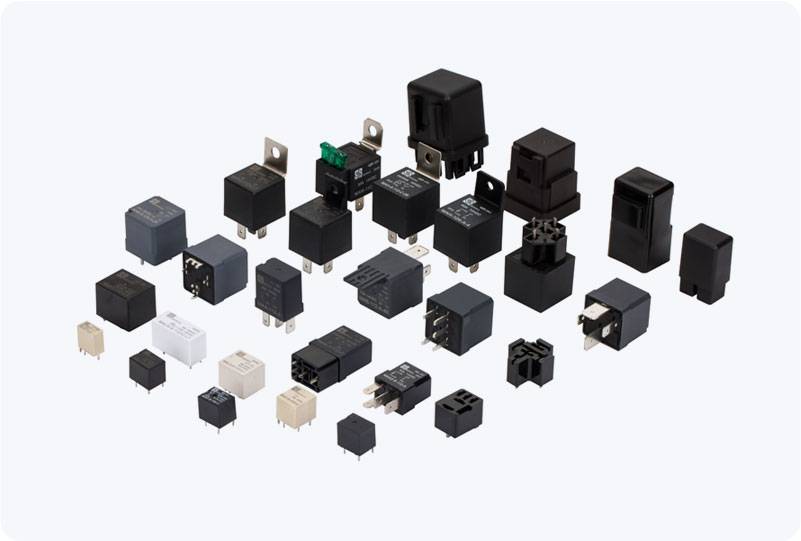
Key Functions of High Voltage Distribution Relays The primary function of High Voltage Distribution Relays is to safeguard electrical systems from faults and irregularities that could lead to equipment damage or power outages. This is achieved through several protective features: Overcurrent Protection: HVDRs continuously monitor the current flowing through the system. If the current exceeds a predetermined threshold, the relay deactivates the circuit, preventing potential damage to transformers, cables, and other equipment. Voltage Protection: HVDRs are equipped to detect both overvoltage and undervoltage conditions. By constantly monitoring voltage levels, the relay can disconnect faulty portions of the network, ensuring that the remaining system operates within safe operational limits.
Leave a Reply