In the evolving landscape of industrial automation, the demand for reliable and efficient control systems has surged, leading to a greater emphasis on the components that play a vital role in these systems. One such crucial component is the High-Quality Industrial Relay. This device is designed to manage electrical circuits, enabling reliable operations in a variety of demanding environments. This article explores the features, applications, and considerations of high-quality industrial relays, providing insight into why they are indispensable in modern industrial applications.
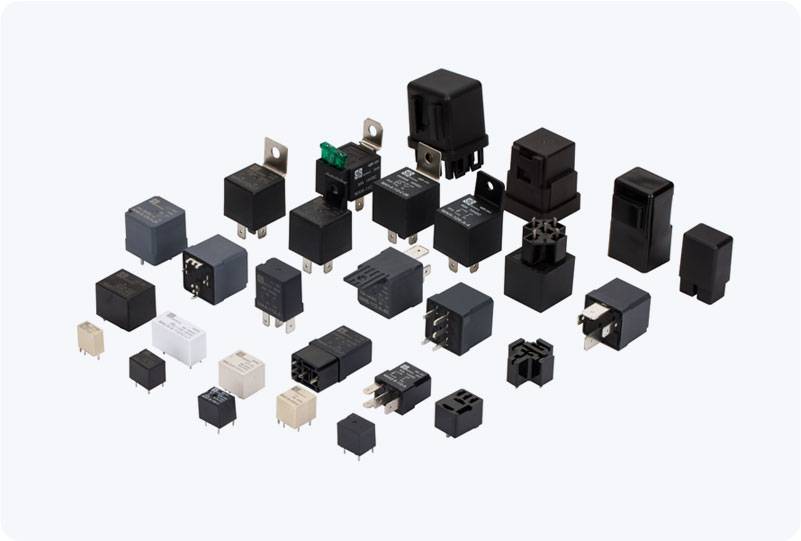
What is a High-Quality Industrial Relay? A high-quality industrial relay is an electromechanical switch that uses an electromagnet to mechanically operate a switching mechanism. When a small electrical current passes through the coil of the relay, it generates a magnetic field that activates the switch, allowing a larger electrical current to flow through the connected circuit. The ability to control high-voltage loads with a low-voltage control signal makes relays essential for effective automation and control in industrial settings. Key Features of High-Quality Industrial Relays
Durability and Reliability: High-quality industrial relays are built to withstand harsh conditions, including extreme temperatures, humidity, and vibrations. They are designed with robust materials that extend their lifespan, making them well-suited for industrial applications where equipment is expected to operate continuously under challenging circumstances.