In the world of electrical engineering and automation, High-Power Relays play an essential role in managing large loads with precision and reliability. These devices serve as electronic switches capable of controlling high-voltage and high-current applications while operating under low-power control signals. The reliability and efficiency of high-power relays make them a preferred choice in various sectors, including industrial automation, automotive engineering, and energy management systems.
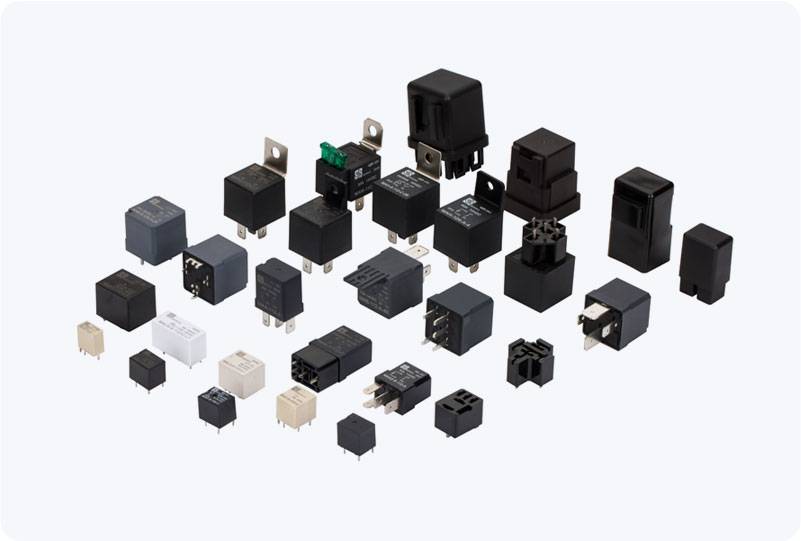
Key Features of High-Power Relays One of the defining characteristics of High-Power Relays is their ability to handle substantial current and voltage ratings. These relays are designed to switch loads often exceeding 10 A, with some models capable of switching hundreds of amperes and voltages ranging from 120 V AC to over 600 V DC. Such capabilities not only make them suitable for powering heavy machinery and equipment but also for applications requiring high switching capacity. High-Power Relays employ electromagnetic principles to function. When a control signal is applied to the coil, it generates a magnetic field that attracts a movable armature, thereby opening or closing the relay contacts. This electromechanical operation allows for a clear separation between the high-power circuit and the control circuit, ensuring safety and operational integrity.