High-Power Relays are essential components in many electrical systems, especially when dealing with high-current and high-voltage applications. These relays are designed to switch large electrical loads without directly handling the high power themselves, offering both safety and efficiency. In this article, we will explore what High-Power Relays are, their key features, their various applications, and why they are critical for modern electrical systems.
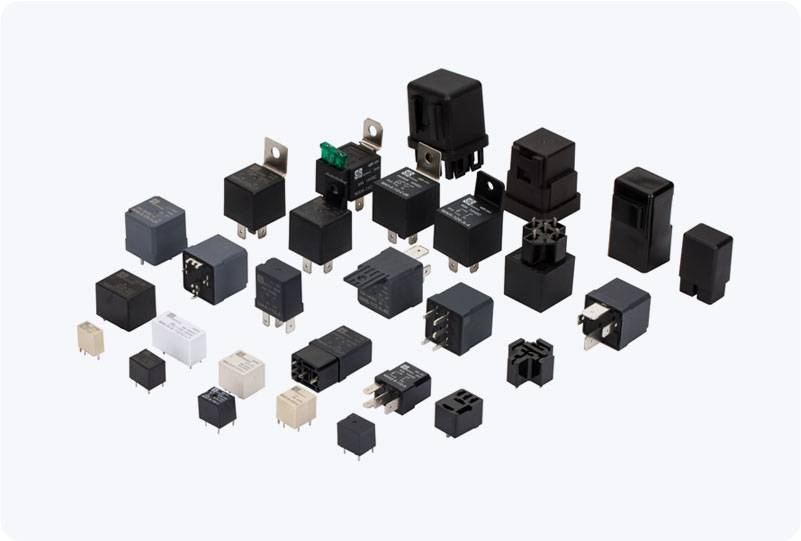
What is a High-Power Relay? A High-Power Relay is an electrical switch used to control the flow of high-voltage or high-current circuits. Unlike standard relays, which are typically used for low-power applications, High-Power Relays are specifically designed to handle the significant stresses associated with large electrical loads. These relays work by opening or closing the contact points inside the relay mechanism in response to a control signal, thereby either allowing or interrupting the flow of electricity to a connected device. High-Power Relays are built with robust materials, often including silver alloys for the contact points, ensuring they can withstand the high power levels they control. They can handle currents well beyond what a typical relay could manage—sometimes even exceeding several hundred amps—making them crucial in applications requiring both power and reliability.