A High Current Power Relay is a specialized type of electrical relay designed to control large amounts of current, often in the range of several amperes to hundreds of amperes. These relays are essential components in various applications where controlling high-power circuits with a low-power control signal is required. High Current Power Relays are crucial in sectors ranging from automotive and industrial control systems to consumer electronics and power generation. In this article, we will explore the key features of High Current Power Relays, their working principles, and their applications in different industries.
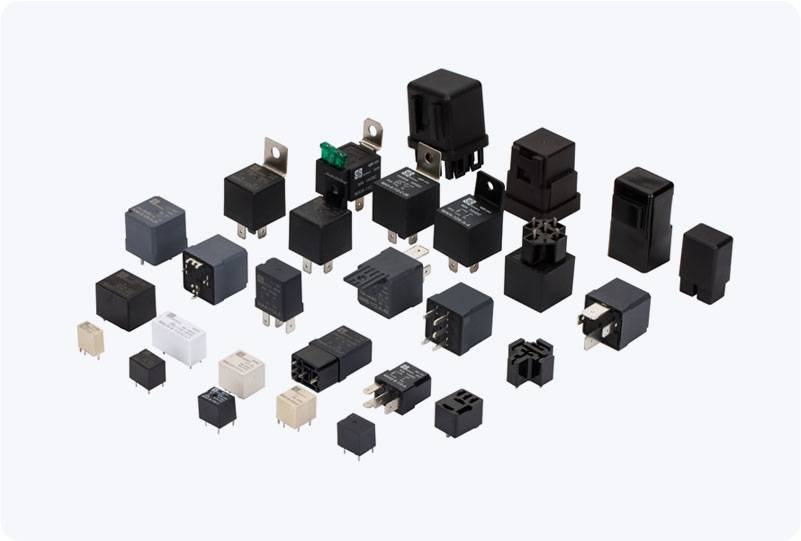
Key Features of High Current Power Relays High Current Handling Capacity The most prominent feature of High Current Power Relays is their ability to handle high current loads, often much higher than regular relays. While standard relays can only control low to medium currents, high-current relays are designed to manage electrical currents that can range from several tens of amperes to hundreds of amperes. This feature makes them indispensable in applications where high power is required. Heavy-Duty Contacts High Current Power Relays typically have large, durable contact surfaces designed to handle the stress and heat generated when high current flows through them. These contacts are made from materials such as silver, gold, or copper, which have excellent conductivity and are resistant to wear and corrosion. The quality and design of these contacts directly influence the relay’s performance and lifespan.