In modern vehicles, electrical systems have become increasingly complex, requiring efficient and reliable methods to control high-power components. One of the essential components in automotive electrical circuits is the high current car relay. This small yet powerful device plays a crucial role in managing high-current circuits safely and efficiently. Understanding how high current car relays work, their applications, and why they are vital to vehicle systems can shed light on their importance in automotive engineering.
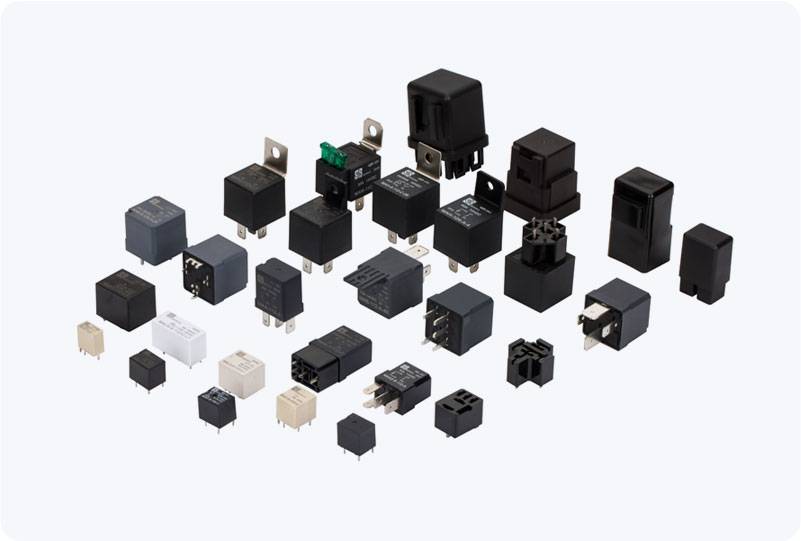
What is a High Current Car Relay? A high current car relay is an electromechanical switch used in automotive electrical systems to control the flow of large amounts of current to various components. Typically, it consists of a coil, a set of contacts, and a mechanical armature that is activated when current passes through the coil. When activated, the relay’s contacts close or open, allowing or stopping the flow of electricity to high-power devices in the car. Relays are designed to switch high-current circuits (which would be impractical for manual switches) using low-current control signals. This allows components like headlights, air conditioning systems, and power windows to operate without the need for large and cumbersome switches.