In industries where explosive gases, flammable vapors, or combustible dusts are present, ensuring electrical safety is paramount. One key component in safeguarding these hazardous environments is the Hazardous Area Relay. These specialized relays are designed to operate in explosive or volatile environments, playing a crucial role in preventing electrical hazards that could lead to fires, explosions, or equipment failure. This article explores the importance of Hazardous Area Relays, their key features, and their applications in various industries.
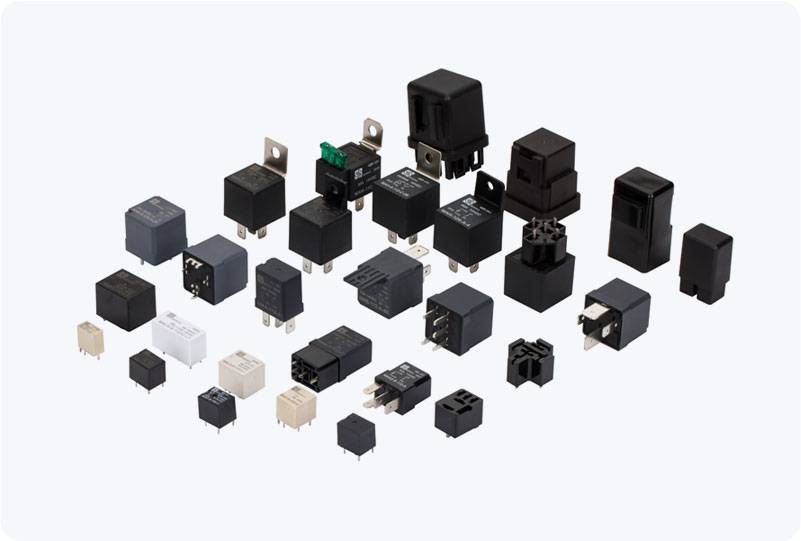
What is a Hazardous Area Relay? A Hazardous Area Relay is an electrical device used to control and protect electrical circuits in areas that are classified as hazardous. These areas are usually characterized by the presence of flammable gases, vapors, or dusts that pose a risk of explosion. Hazardous Area Relays are specifically designed to meet stringent safety standards and ensure that electrical systems remain safe and reliable even in these dangerous conditions. Unlike standard relays, which are intended for use in non-hazardous environments, Hazardous Area Relays are built to prevent the ignition of explosive substances in the air. They achieve this through robust construction, including explosion-proof casings and special wiring that reduces the risk of sparks or electrical arcs that could ignite flammable materials.