Ground Fault Relays (GFRs) are essential safety devices used in electrical systems to detect ground faults, which occur when electrical current unintentionally flows to the ground. Understanding the operation, advantages, and applications of ground fault relays is crucial for ensuring the safety and reliability of electrical installations. This article aims to illuminate the importance of GFRs and their role in modern electrical systems.
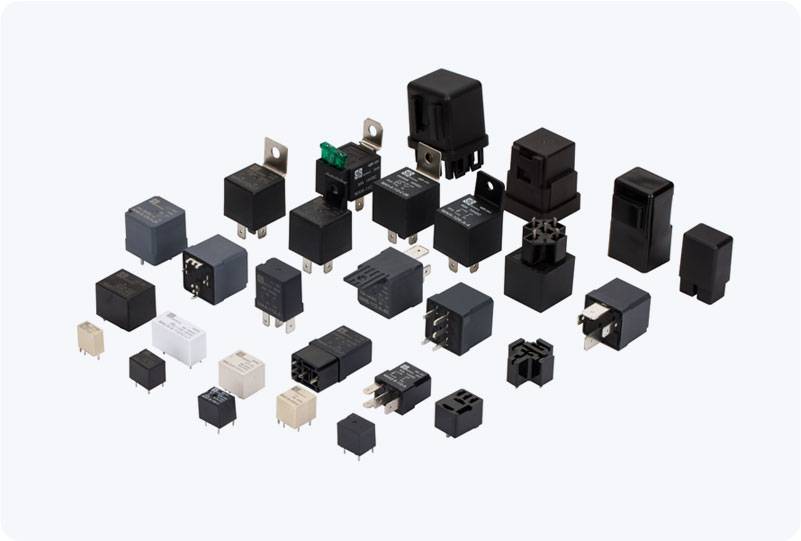
The Significance of Ground Fault Relays Ground faults can lead to severe consequences, including electrical fires, equipment damage, and even fatal electric shocks. Such faults often occur due to insulation failure, equipment malfunctions, or the degradation of electrical components over time. Ground Fault Relays help mitigate these risks by continuously monitoring the electrical system for any anomalies related to ground faults. The primary function of a ground fault relay is to sense the imbalance in the electrical current. Under normal operating conditions, the current flowing into an electrical device should equal the current flowing out. However, when a ground fault occurs, some portion of the current may leak to the ground, creating an imbalance. GFRs utilize current transformers (CTs) that detect this imbalance and send a signal to the relay to initiate protective actions.