Ground Fault Relay (GFR) is an essential component in modern electrical protection systems, designed to detect ground faults and prevent electrical hazards. A ground fault occurs when an unintended path of low resistance is created between a phase conductor and the ground, which can lead to serious damage to equipment, potential fire hazards, or even electrocution. This article delves into the importance of Ground Fault Relay, its working principle, types, and applications.
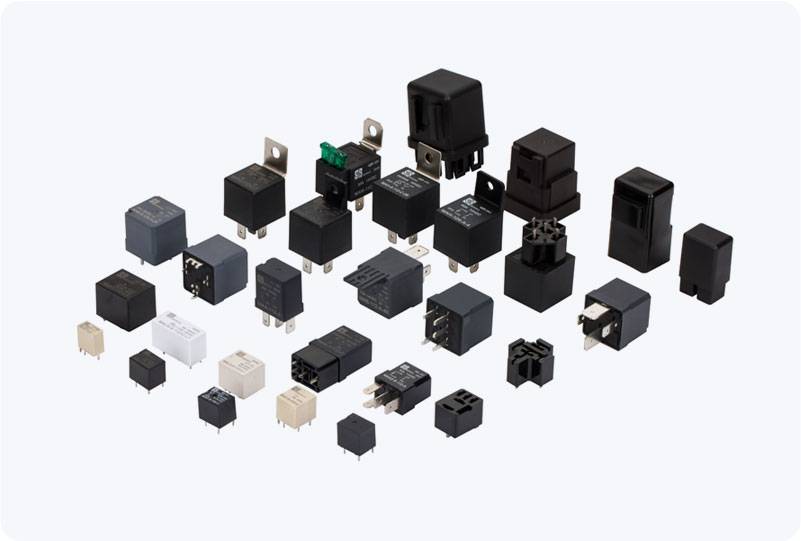
What is a Ground Fault Relay? A Ground Fault Relay (GFR) is a type of protective relay used to monitor the current flowing through an electrical system, specifically detecting any leakage current to the ground. It is designed to quickly identify and respond to ground faults by triggering an alarm or shutting down the system to prevent further damage or dangerous situations. This device is widely used in both industrial and commercial electrical systems where ground faults can occur due to a wide range of issues like insulation failure, equipment breakdown, or external damage. Working Principle of Ground Fault Relay
Leave a Reply