In modern electrical systems, the importance of safety mechanisms cannot be overstated. One such critical component is the Ground Fault Protection Relay (GFPR). This protective device is essential in safeguarding electrical equipment and ensuring the safety of personnel by detecting and mitigating ground faults. Ground faults can lead to severe consequences, including equipment damage, fire hazards, and potential injuries. This article aims to provide a comprehensive overview of Ground Fault Protection Relays, their functions, and their significance in electrical systems.
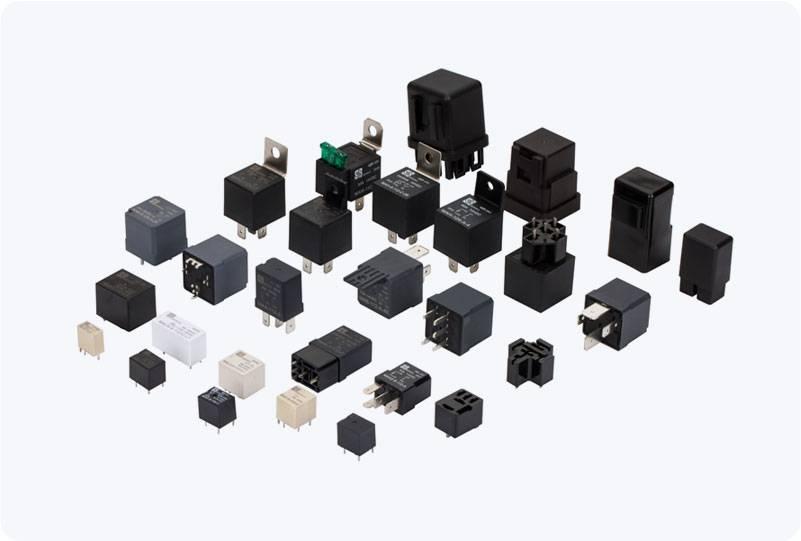
What is a Ground Fault? A ground fault occurs when an electrical current unintentionally flows to the ground, often due to insulation failure, equipment malfunction, or other unforeseen circumstances. In a standard electrical circuit, current flows through designated paths—conductors and grounding systems. However, when a fault occurs, the current can take an unintended route, which can increase the risk of shock, fire, and equipment failure. How Does the Ground Fault Protection Relay Work? A Ground Fault Protection Relay functions primarily by monitoring the balance of electrical currents within a circuit. The core principle is based on Kirchhoff’s Current Law, which states that the total current entering a junction must equal the total current leaving the junction. A ground fault creates an imbalance, whereby the current flowing into the circuit does not match the current returning.