A general-purpose relay is a vital electrical component widely used in various industrial, commercial, and domestic applications. These versatile devices allow electrical circuits to be controlled by a low-power signal, providing a convenient means to switch high-power circuits on and off. Understanding the workings, types, and applications of general-purpose relays can help engineers and technicians select the appropriate relay for their specific needs.
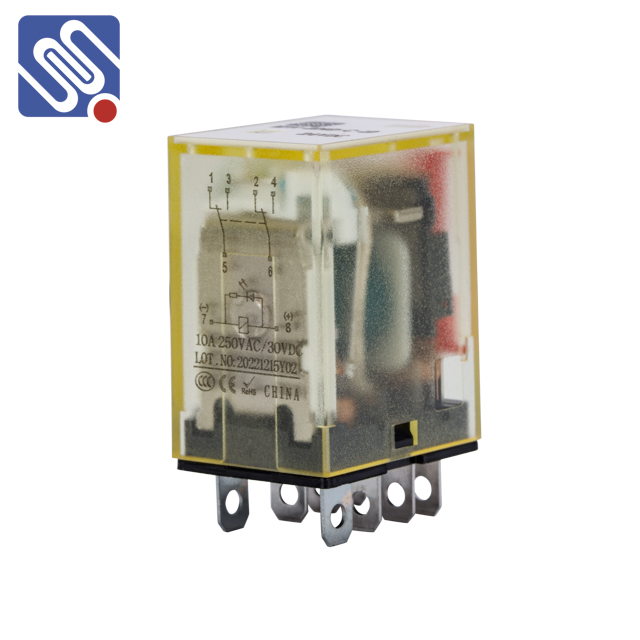
What is a General-purpose Relay? At its core, a general-purpose relay is an electromechanical switch that allows a low-current circuit to control a higher-current circuit. It consists of a coil, armature, and contacts. When an electrical current flows through the coil, it generates a magnetic field that pulls the armature, causing the contacts to open or close. This action allows the relay to switch the connected load on or off. The main advantage of using a relay is that it enables control of high-power circuits with a low-power signal. This makes it particularly useful in applications where controlling large loads is necessary but the control system operates at a low power level.