Flow control is a critical aspect of many modern systems, from industrial machinery to automotive technologies, and one of the key components in ensuring precise fluid management is the Flow Control Solenoid Valve. These valves are instrumental in regulating the flow of liquids and gases within a system by using electrical control mechanisms. With applications spanning from manufacturing to HVAC systems, the flow control solenoid valve plays a crucial role in optimizing system performance, improving efficiency, and ensuring safety.
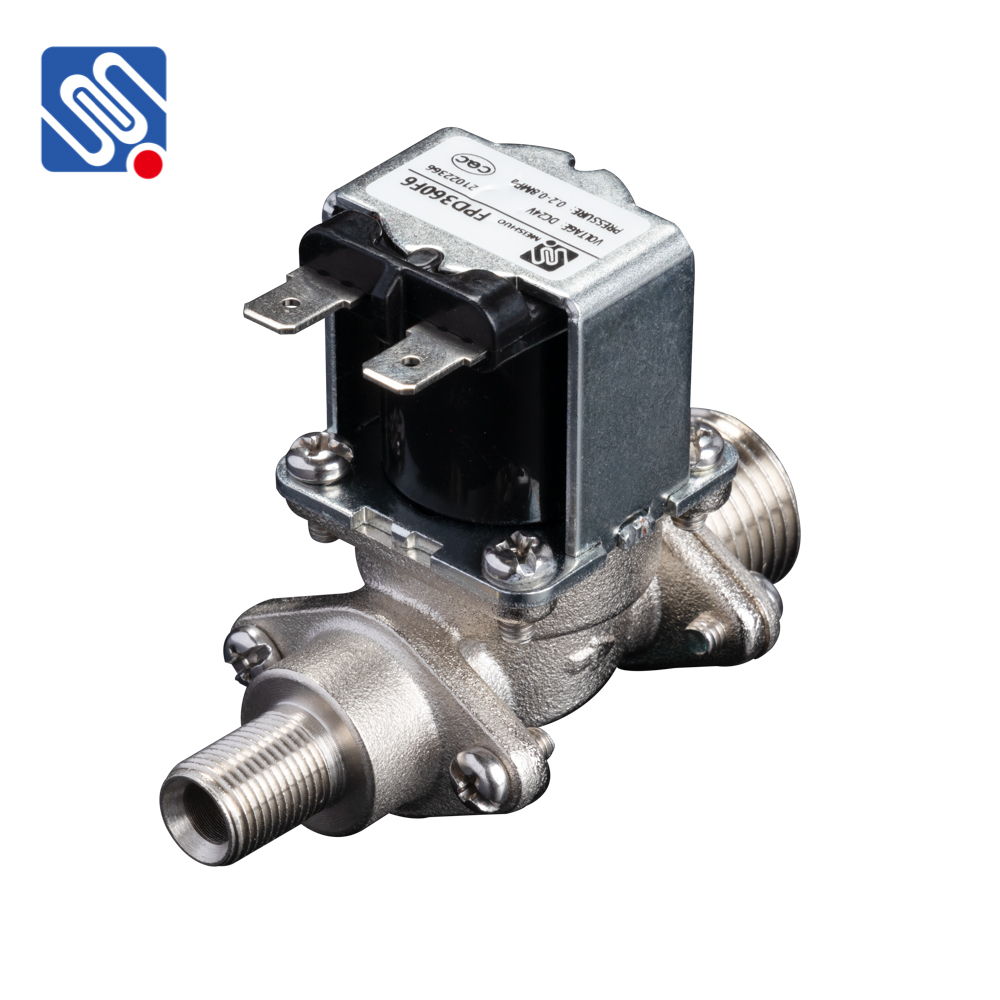
What is a Flow Control Solenoid Valve? A Flow Control Solenoid Valve is a type of electromagnetic valve that controls the flow of fluid (liquid or gas) in response to an electrical signal. At the heart of the solenoid valve is a solenoid, which is an electromagnet that, when activated, generates a magnetic field to move a plunger or diaphragm inside the valve. This movement adjusts the flow path of the fluid, either allowing more or less fluid to pass through. Unlike manual valves that require physical adjustments by operators, solenoid valves provide a much more dynamic solution, capable of responding to automatic or remote electrical control signals. This feature makes them especially valuable in systems where precise, real-time adjustments to flow rates are necessary.