The Filtration System Solenoid Valve is an essential component in various industries that require the regulation of fluid flow through filtration systems. From water treatment plants to industrial air purifiers, these valves ensure optimal performance and efficiency. This article delves into the functionality, benefits, and applications of Filtration System Solenoid Valves, providing a comprehensive understanding of their importance in modern systems.
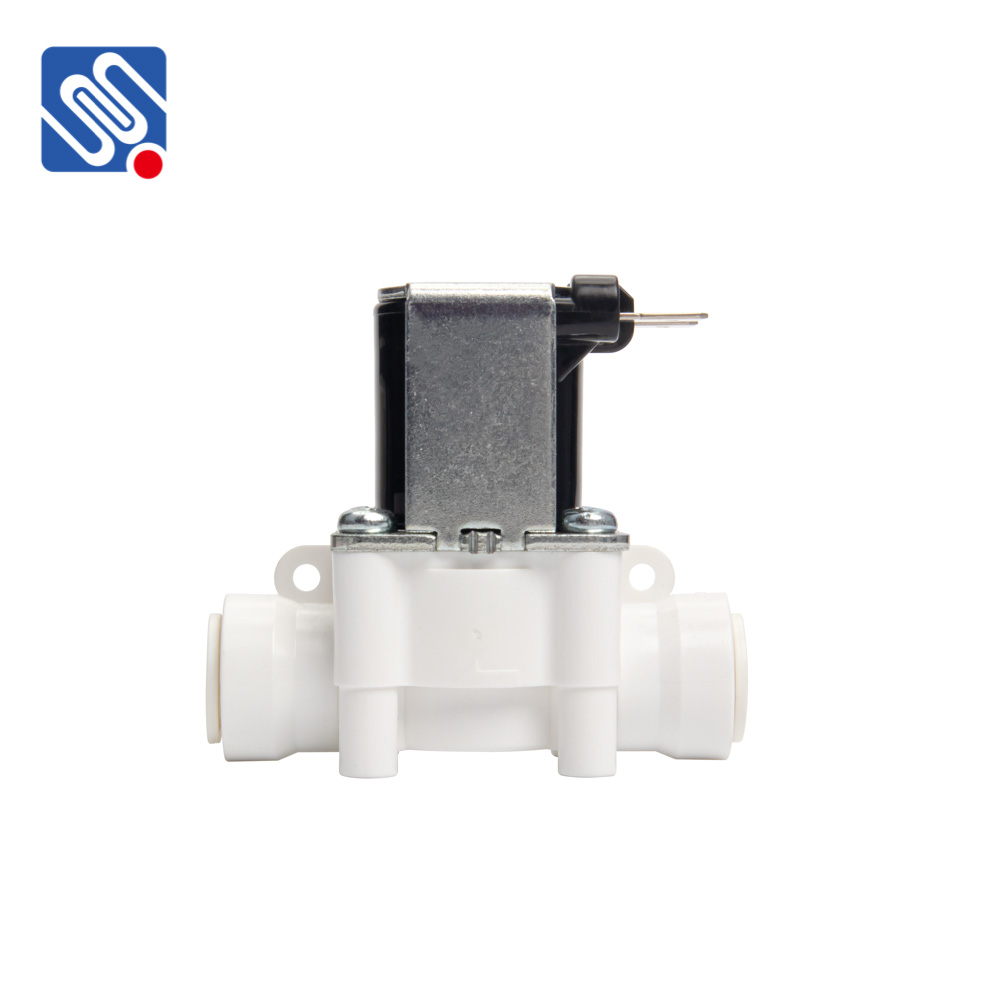
What is a Filtration System Solenoid Valve? A Filtration System Solenoid Valve is an electromechanical device that controls the flow of fluids (such as water, air, or chemical liquids) in a filtration system. The valve is typically operated by an electrical signal, which energizes the solenoid coil. When the coil is energized, it generates a magnetic field that opens or closes the valve. This action allows the filtration system to manage the flow of liquid or gas, ensuring effective filtration and separation of unwanted particles. The primary advantage of solenoid valves in filtration systems is their ability to operate automatically, reducing manual intervention and enhancing the efficiency of the filtration process.