The demand for faster charging times has grown exponentially as the world becomes more reliant on mobile devices, electric vehicles, and portable gadgets. To cater to this need, one crucial component that has emerged as a key player in efficient power management is the Fast Charging Relay. This small yet powerful device plays a significant role in managing the charging process, ensuring that devices are charged quickly and safely. In this article, we will explore what a Fast Charging Relay is, how it works, and why it’s indispensable for modern charging technologies.
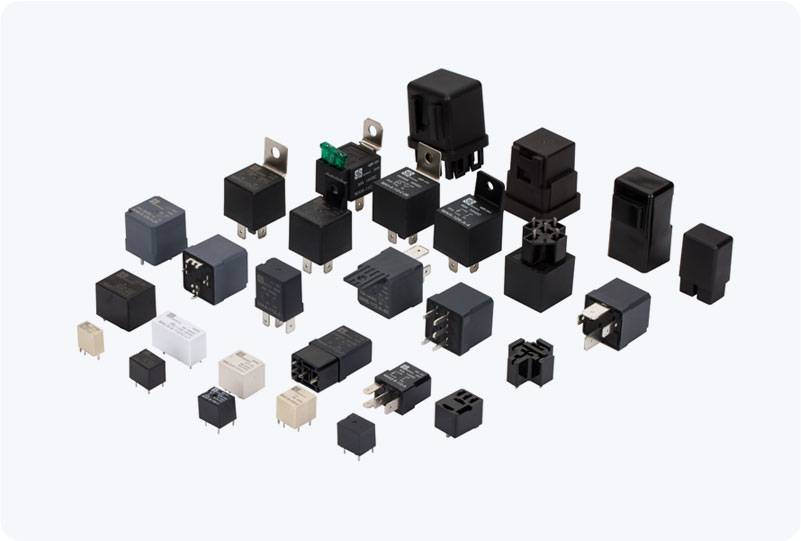
What is a Fast Charging Relay? A Fast Charging Relay is an electrical switch used in charging circuits, designed to control the flow of electricity to batteries during the charging process. Unlike traditional relays, which simply open or close the circuit, fast charging relays are engineered to operate with precision in high-speed charging environments, such as electric vehicles (EVs), smartphones, and laptops. These relays not only control the switching but also ensure that the charging process is optimized for safety and efficiency. How Does It Work? At its core, a relay works by using an electromagnet to open or close a set of contacts. When current flows through the electromagnet, it generates a magnetic field that moves the contacts, either completing or interrupting the circuit. In the case of a Fast Charging Relay, the relay works in conjunction with the battery management system (BMS) or the charging control system to adjust the current flowing into the battery.