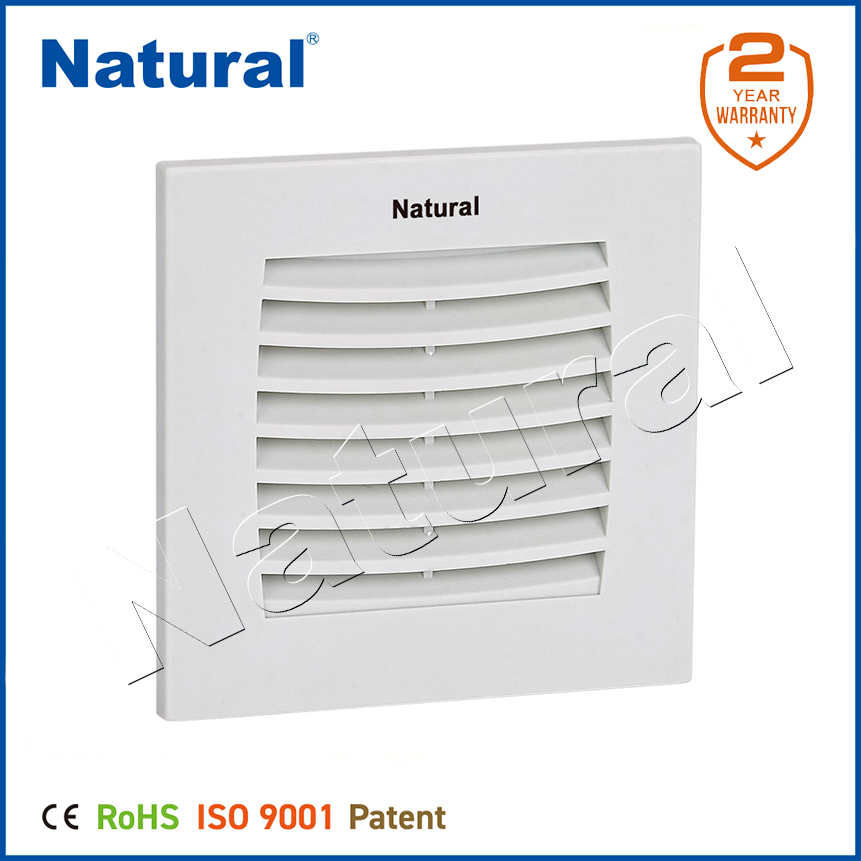
In today’s industrial and commercial environments, maintaining clean and efficient air quality is more important than ever. Whether in factories, laboratories, or server rooms, controlling the flow of air and removing harmful contaminants is essential to both health and equipment longevity. One of the most effective solutions for this need is a fan filter exhaust system. These systems combine the power of fans and filters to exhaust air contaminants while ensuring that clean, purified air is circulated. This article explores the components, benefits, and applications of fan filter exhaust systems.
What is a Fan Filter Exhaust System?
A fan filter exhaust system is a combination of a fan and a filtration unit, specifically designed to remove particulate matter, dust, and other contaminants from the air before it is expelled from a room or environment. The fan is responsible for moving the air, while the filter ensures that harmful particles do not escape into the atmosphere. Typically, these systems are used in cleanrooms, laboratories, or industrial settings where precise air quality is crucial. The fan in these systems is designed to push air through the filter, which is usually made from HEPA (High-Efficiency Particulate Air) material or another type of fine mesh that traps particles of various sizes. Once the air is filtered, it is exhausted outside or to another designated area, ensuring that harmful substances such as dust, bacteria, or chemical vapors are removed from the environment.