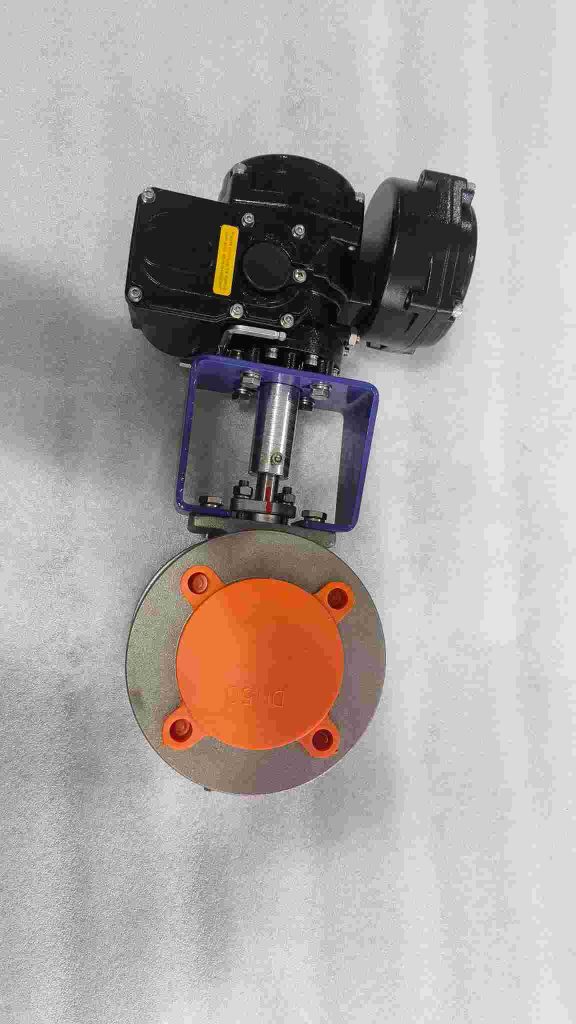
Explosion-proof electric ball valves are essential components in various industrial applications, particularly in environments where flammable gases or liquids may be present. These valves combine the functionality of ball valves with the added safety features required for hazardous areas. By understanding their design, operation, and benefits, industries can ensure greater safety and efficiency in their processes.
Design Features
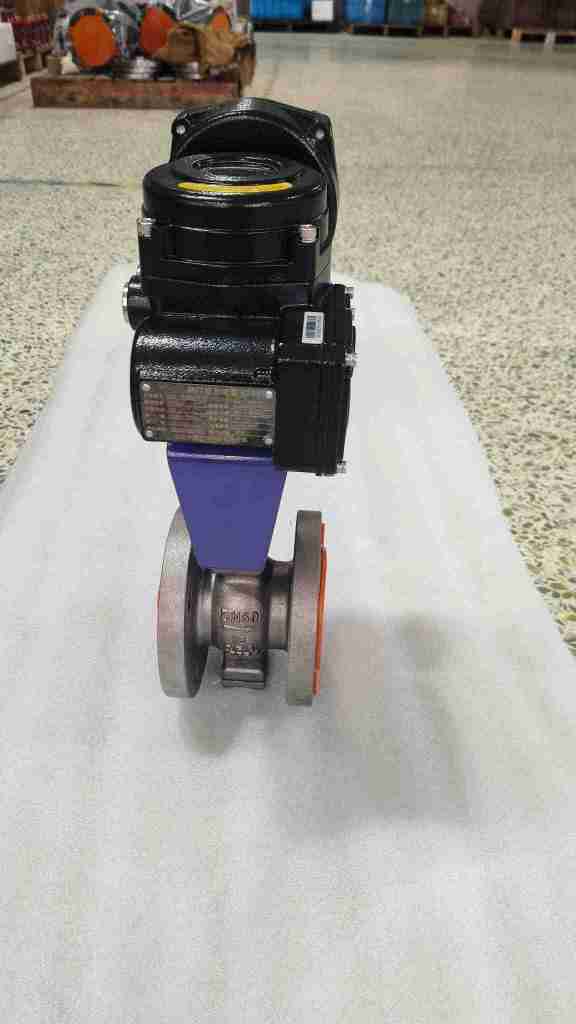
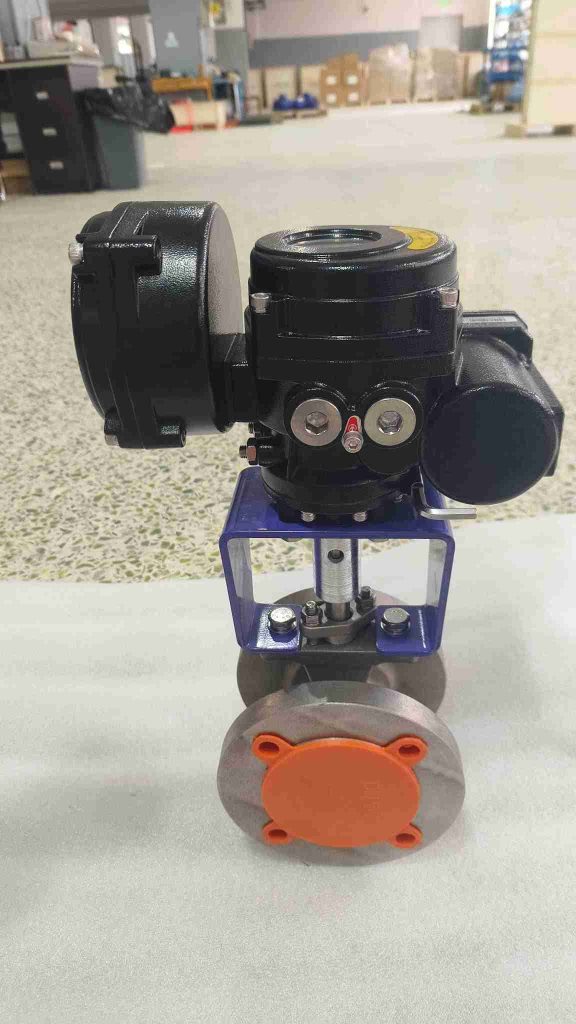
The explosion-proof electric ball valve is engineered to withstand extreme conditions. Its body is typically made from robust materials such as stainless steel or carbon steel, which are not only resistant to corrosion but also capable of withstanding high pressures. The internal ball is polished to reduce friction and wear, ensuring smooth operation. Moreover, the electric actuator is housed in a protective enclosure that meets specific standards for explosion-proof certification, usually conforming to classifications such as ATEX or IECEx. Operation Mechanism The operation of an explosion-proof electric ball valve is straightforward yet effective. When the actuator receives an electrical signal, it rotates the ball inside the valve, either opening or closing the flow path. This rapid response time is crucial in critical applications, allowing for quick isolation of sections of a system in case of emergency. The actuator can be operated remotely, facilitating automated control and enhancing process safety.