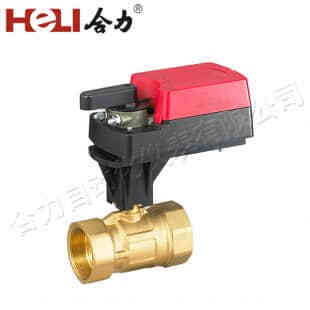
In industrial environments where explosive gases, vapors, or dust may be present, safety is the paramount concern. Explosion-proof damper actuators play a crucial role in ensuring that ventilation systems operate safely without posing a risk of ignition. These specialized devices are designed to control dampers in hazardous environments, providing both efficient airflow control and robust protection against potential explosions. This article explores the key features, applications, and importance of explosion-proof damper actuators in industries such as oil and gas, chemical processing, and other environments requiring stringent safety measures.
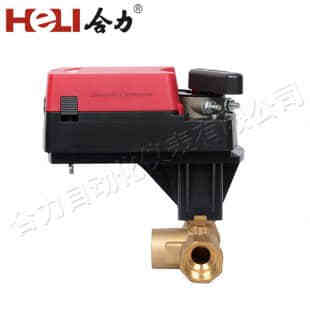
What is an Explosion-proof Damper Actuator?
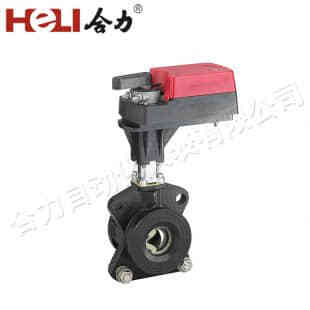
An explosion-proof damper actuator is a mechanical device used to control the movement of a damper in ventilation systems, particularly in areas where hazardous materials or explosive atmospheres are present. A damper is a mechanical shutter or valve used to regulate airflow in ducts, chimneys, and other airways. The actuator controls the opening and closing of this damper based on system requirements, which can be vital in maintaining safe airflow and avoiding the buildup of flammable gases. What makes these actuators “explosion-proof” is their specially engineered housing, designed to prevent any internal sparks or heat from escaping. The actuator is constructed to withstand an internal explosion without igniting the surrounding atmosphere, which is essential in environments where a spark could lead to catastrophic consequences.