Electric vehicles (EVs) are rapidly gaining popularity as an eco-friendly alternative to traditional gasoline-powered vehicles. A crucial aspect of EV technology that often goes unnoticed is the EV battery relay. This small yet significant component plays a pivotal role in ensuring the efficient and safe operation of electric vehicles. In this article, we will explore what an EV battery relay is, its function, how it works, and why it’s vital for EV performance and safety.
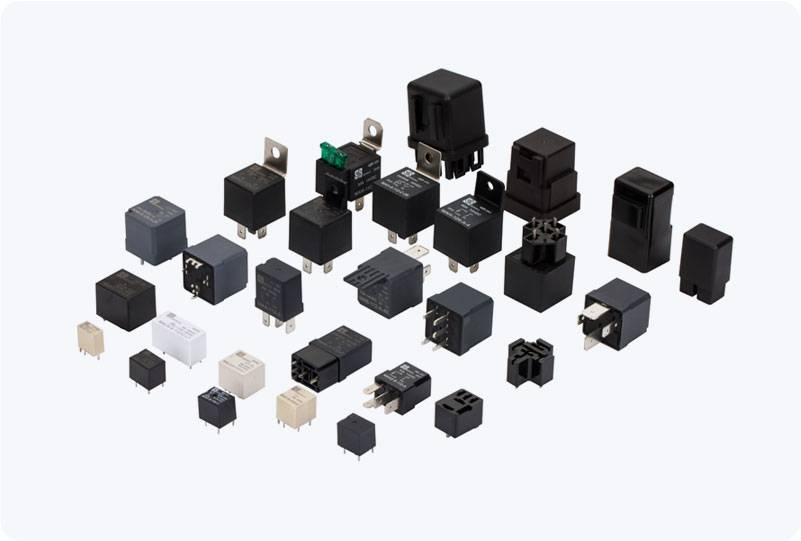
What is an EV Battery Relay? An EV battery relay is an electromechanical switch that controls the flow of electricity between the battery and other essential components of an electric vehicle. It is primarily used to connect or disconnect the high-voltage battery from the rest of the vehicle’s electrical system, ensuring that energy is supplied only when needed. In essence, the relay acts as a gatekeeper for the battery, controlling its interaction with the vehicle’s powertrain and electrical systems. EV battery relays are designed to handle the high-voltage currents that flow through the battery and manage the power distribution between the battery, inverter, motor, and charging system. They must be robust and highly reliable, as any failure could result in significant issues, ranging from reduced vehicle performance to safety hazards.