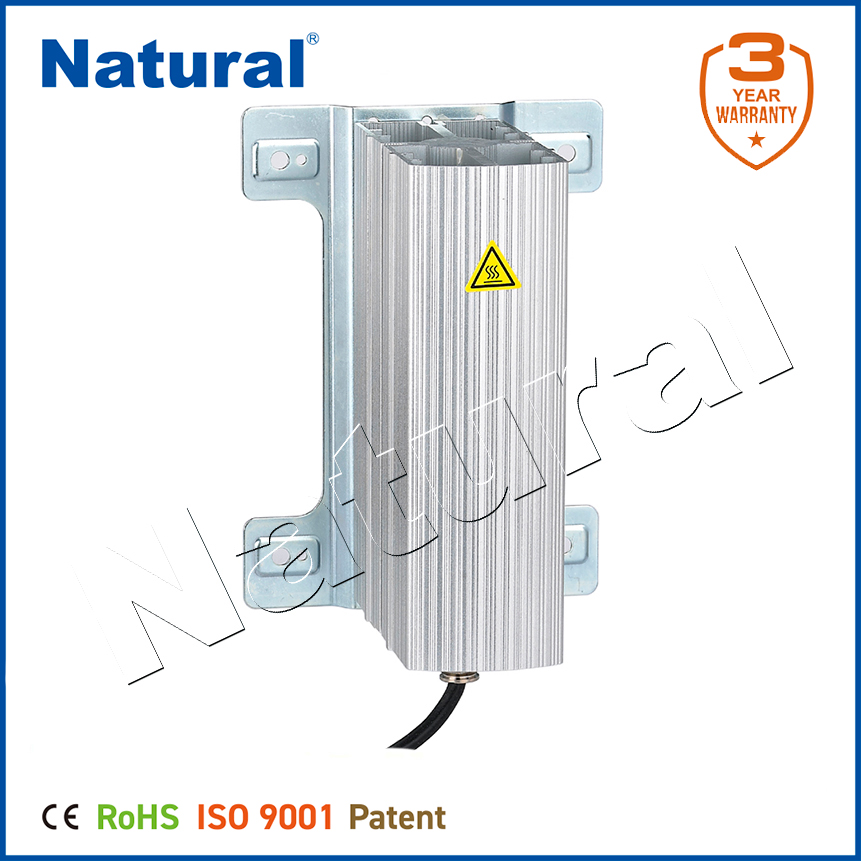
Enclosure heaters play a vital role in various industries and environments where temperature regulation is crucial. These specialized heating devices are designed to maintain optimal temperatures within enclosures, protecting sensitive equipment from the adverse effects of extreme cold. This article will explore the functioning, types, applications, and benefits of enclosure heaters, shedding light on their importance in modern technology and industry.
The Functionality of Enclosure Heaters

Enclosure heaters are designed to generate and maintain warmth within enclosed spaces that house electronic equipment, control systems, or mechanical components. The primary purpose of these heaters is to create a stable thermal environment to prevent condensation, frost, or freezing, which could damage sensitive components or lead to operational failures. By ensuring that the internal temperature of the enclosure remains above a specific threshold, these heaters help prolong the lifespan and reliability of the equipment housed within. The operation of enclosure heaters typically involves the conversion of electrical energy into heat through resistance. When electricity flows through a resistive material, it generates heat, which is then dissipated into the surrounding environment. Temperature controllers and sensors can be incorporated to regulate the heating process, ensuring that the enclosure does not exceed or drop below critical temperature levels.