Element heaters are fundamental devices utilized in various heating applications, from household appliances to industrial processes. These heaters function by converting electrical energy into heat through resistive heating elements, making them a crucial part of our daily lives. This article delves into the mechanics, applications, benefits, and considerations associated with element heaters, highlighting their significance in modern heating solutions.
How Element Heaters Work
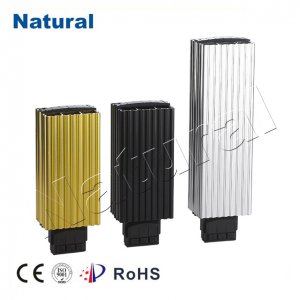
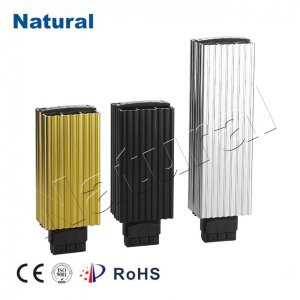
At the core of an element heater lies the heating element, typically made from a conductive material like nichrome. When electric current passes through this material, it encounters resistance, generating heat in the process. This phenomenon, known as Joule heating, is the principle behind most electric heating devices. Element heaters can be found in various forms, including resistive heating elements, immersion heaters, and tubular heaters. The design and configuration of these heaters can vary significantly based on their intended application. For instance, immersion heaters are designed to be submerged in liquids, while tubular heaters can be fitted in various configurations for efficient heat distribution.
Leave a Reply