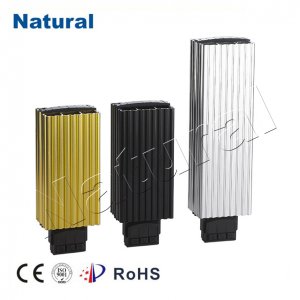
Element heaters are essential components in a wide range of heating applications, from household appliances to industrial machinery. They function by converting electrical energy into heat, which can then be used to warm spaces, liquids, or materials. In this article, we will explore the different types of element heaters, their applications, and the benefits they offer.
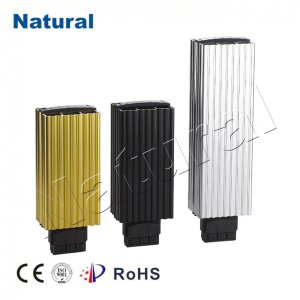
What is an Element Heater?
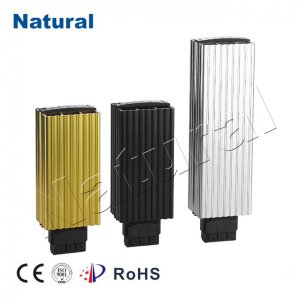
An element heater is a device that generates heat by passing an electric current through a resistive material. As the current flows through the material, it encounters resistance, which causes it to heat up. The heat is then transferred to the surrounding environment, be it air, water, or another medium. These heaters are widely used in both residential and commercial settings due to their efficiency, durability, and versatility. Types of Element Heaters Resistive Heating Elements: The most common type of element heater is a resistive heating element, often made from materials like nichrome (nickel-chromium alloy) or tungsten. These metals have high electrical resistance, making them ideal for converting electricity into heat. Resistive heating elements are used in a variety of devices such as space heaters, toasters, and water heaters.