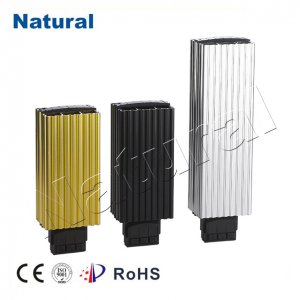
Element heaters are fundamental components in various heating systems, serving as the core technology that converts electrical energy into heat. Whether it’s for domestic appliances like water heaters or industrial machinery that requires consistent temperature control, element heaters play a crucial role in ensuring that these systems function effectively and efficiently. In this article, we’ll explore what element heaters are, how they work, their types, and their common applications.
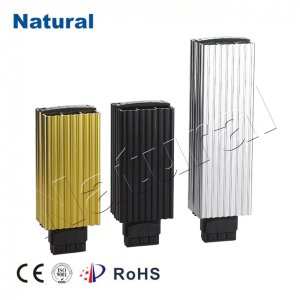
What is an Element Heater?
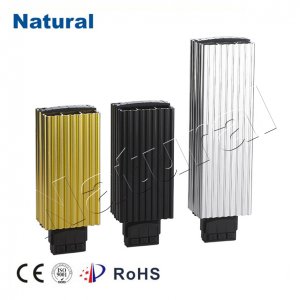
An element heater is a heating device that relies on a metal or ceramic element to generate heat when an electrical current passes through it. The principle behind element heaters is based on Joule’s Law, which states that the heat generated by an electrical conductor is directly proportional to the square of the current multiplied by the resistance of the conductor. Essentially, when electricity flows through the element, its resistance creates friction that results in the production of heat. Element heaters are typically used to heat air, water, or other fluids in a controlled manner, and they are commonly found in appliances like water heaters, ovens, toasters, and even industrial equipment used for manufacturing processes.