Electromechanical switches are a cornerstone of many electrical systems, combining mechanical and electrical components to control circuits. These switches perform a critical function in the operation of a wide variety of devices, ranging from household appliances to industrial machinery. By physically altering the flow of electricity, they ensure that systems can be controlled and protected. In this article, we will explore the function, types, and applications of electromechanical switches to provide a comprehensive understanding of their importance in modern technology.
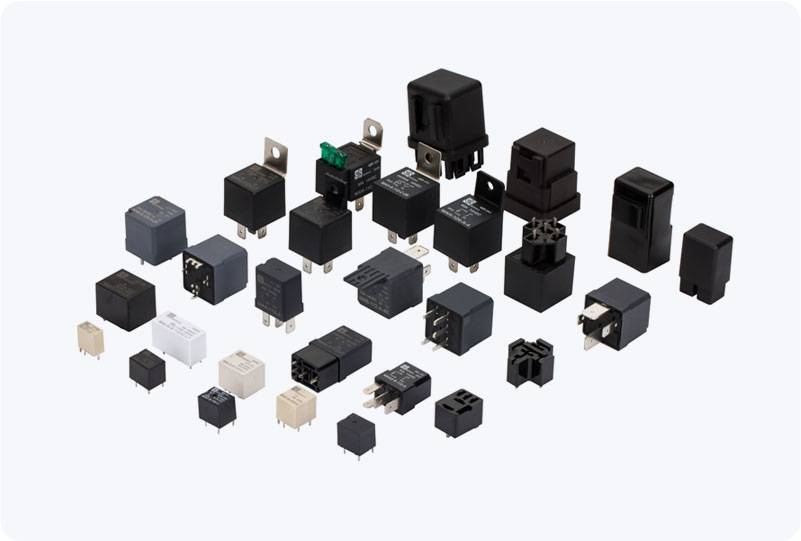
Function of Electromechanical Switches At its core, an electromechanical switch operates by physically moving contacts to either open or close an electrical circuit. This physical movement is triggered manually or automatically, depending on the type of switch. When the switch is activated, it creates or breaks the electrical connection, thus controlling the flow of current within the circuit. This mechanism allows users to control the power supply to various devices, ensuring that they can be turned on or off as needed. The fundamental interaction between the mechanical and electrical elements of these switches is what makes them so versatile. The mechanical aspect involves moving parts such as levers, buttons, or rotary knobs that physically alter the state of the switch. On the other hand, the electrical component enables the switch to complete or interrupt the flow of electricity, thus performing the desired function.