Electromechanical relays (EMRs) are fundamental components in the world of electrical engineering and automation. These devices have been widely used for several decades in various applications, ranging from industrial automation to household appliances. This article aims to provide a comprehensive overview of electromechanical relays, discussing their working principles, construction, applications, advantages, and disadvantages.
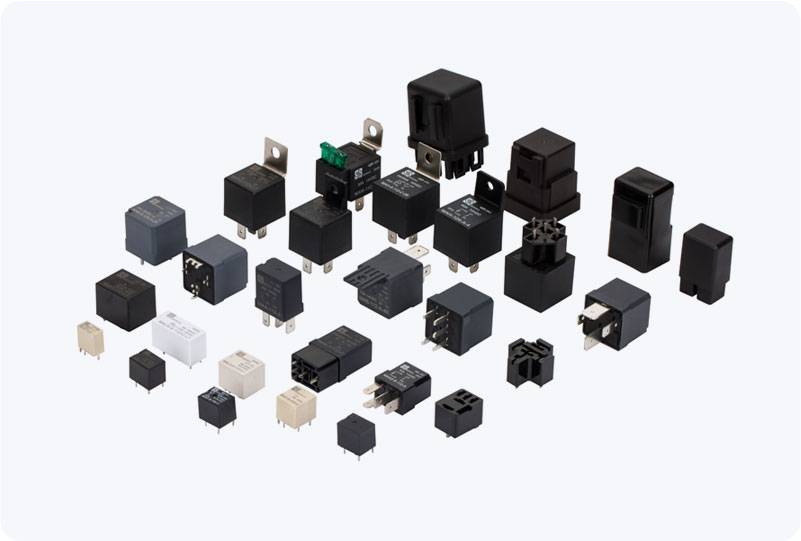
Working Principle The basic operation of an electromechanical relay is quite simple yet effective. At the core of its functionality is the electromagnetic principle. An EMR consists of an electromagnet that is activated when an electric current flows through a coil wound around a core, typically made of soft iron. As current passes through the coil, it generates a magnetic field that attracts a movable metal armature or contact, enabling the circuit to close. When the current is interrupted, the magnetic field dissipates, allowing a spring mechanism to return the armature to its original position, thus opening the circuit.