An Electromechanical Relay (EMR) is a critical component in the world of electrical engineering, used widely in both industrial and consumer electronics to control the flow of electricity. These devices are mechanical switches that use electromagnetic fields to open or close electrical contacts, enabling or disabling electrical circuits. Despite the rise of more advanced solid-state relays, electromechanical relays remain an essential part of many applications due to their reliability, versatility, and cost-effectiveness.
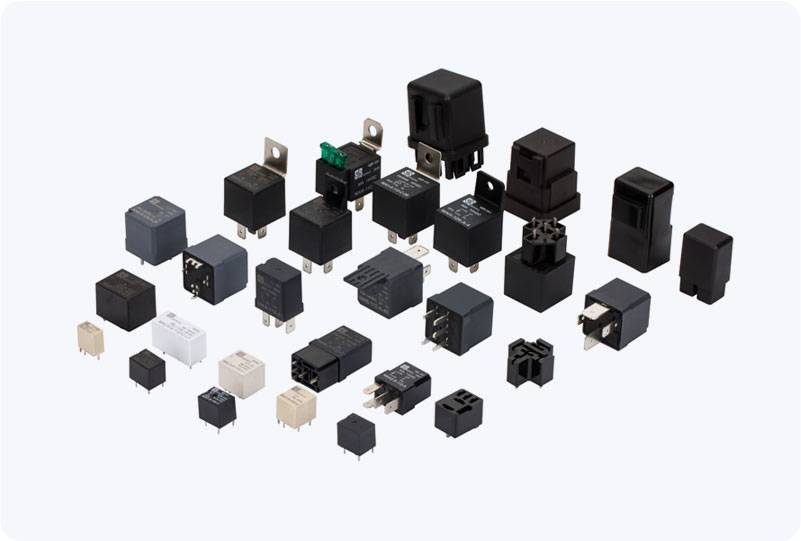
Principles of Operation The basic operation of an electromechanical relay is relatively simple but relies on the fundamental principles of electromagnetism. The relay consists of a coil of wire, an armature (a movable piece of iron or steel), and one or more sets of contacts. When current flows through the coil, it creates a magnetic field that attracts the armature. This movement causes the contacts to either open or close, depending on the relay’s configuration. There are two primary types of contacts in a relay: Normally Open (NO) and Normally Closed (NC). In the NO state, the contacts are open when the relay is de-energized and close when the relay is energized. Conversely, the NC contacts are closed when the relay is de-energized and open when energized. This simple mechanism allows relays to control high-power circuits with a low-power signal, making them an essential tool for various applications.