Electromechanical relays (EMRs) are a fundamental component in the world of electrical engineering and automation, serving as essential devices for switching and controlling electrical circuits. These reliable and versatile components have been in use since the advent of electricity and continue to play an indispensable role in various applications, including home appliances, industrial machines, automotive systems, and telecommunications. In this article, we will delve into the structure, working principles, advantages, applications, and limitations of electromechanical relays.
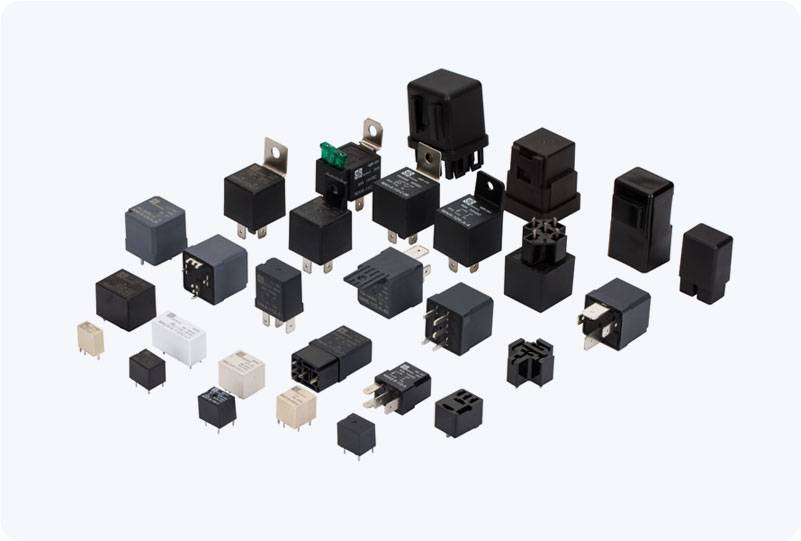
Structure of Electromechanical Relays Electromechanical relays typically consist of several key components: a coil, an armature, a spring, and a set of contact points. The coil is made of insulated wire wrapped around a magnetic core. When an electrical current flows through the coil, it generates a magnetic field that activates the armature—a movable component that is usually connected to one or more contacts. The coil is positioned to attract the armature when energized, allowing it to close or open the circuit depending on the relay’s design. The spring provides the necessary tension to return the armature to its original position when the current is removed, ensuring that the relay reverts to its default state.