An electromechanical relay (EMR) is a fundamental component widely used in electrical and electronic systems. This simple yet powerful device plays a crucial role in switching electrical circuits on and off using electromagnetic force. Its design consists of an electromagnet (coil), a set of contacts, and an armature, which together provide reliable control over high-voltage circuits using a low-voltage signal. This article delves into the working principle, types, applications, and advantages of electromechanical relays.
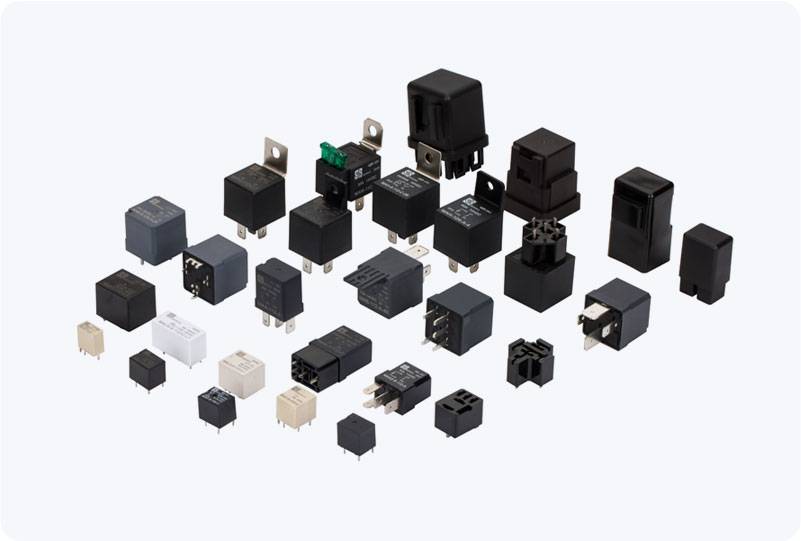
Principles of Operation The basic operation of an electromechanical relay is based on the concept of electromagnetism. When an electrical current passes through the coil of the relay, it generates a magnetic field. This magnetic field causes the armature (a movable metal piece) to either attract or repel, depending on the design of the relay. The armature is connected to the relay’s contacts, and its movement changes the state of these contacts. Closed Contact (NO – Normally Open): When the relay is inactive (i.e., the coil is not energized), the contacts are open. When the coil is energized, the magnetic field pulls the armature, causing the contacts to close, allowing current to flow through the connected circuit.
Leave a Reply