Electromagnetic relays have been a crucial component in electrical engineering since their invention in the mid-19th century. These devices, which utilize electromagnetic principles to control circuits, have played an essential role in the automation of processes and the enhancement of electrical safety in various applications. This article explores the fundamental mechanisms of electromagnetic relays, their applications across different industries, and the benefits they provide.
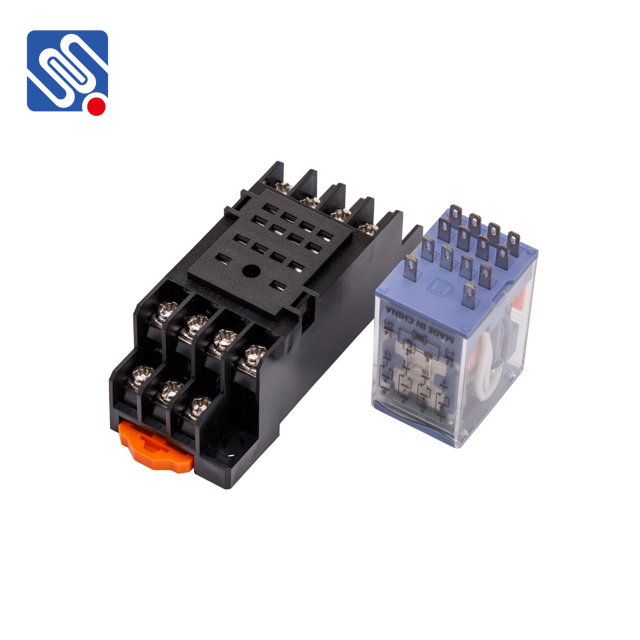
Mechanisms of Electromagnetic Relays At its core, an electromagnetic relay consists of several key components: an electromagnet (coil), an armature (metal lever), contact points, and a spring. When a voltage is applied to the coil, an electromagnetic field is generated, which attracts the armature. This motion causes the armature to either close or open the contact points, establishing or breaking the connection in the circuit. There are two primary types of contacts used in electromagnetic relays: normally open (NO) and normally closed (NC). In a normally open configuration, the circuit remains open until the relay is energized, at which point the contacts close, allowing current to flow. Conversely, in a normally closed configuration, the circuit is closed when the relay is unpowered, and the contacts open when the relay is energized. This versatility allows for a wide range of control options and applications.