An electromagnetic relay is a fundamental electrical component that serves as an electrically operated switch. It allows control of a large power circuit with a low-power electrical signal, which makes it an essential part of modern electrical systems and automation. In this article, we will explore the working principle, types, and various applications of electromagnetic relays, highlighting their importance in everyday electrical devices and industrial applications.
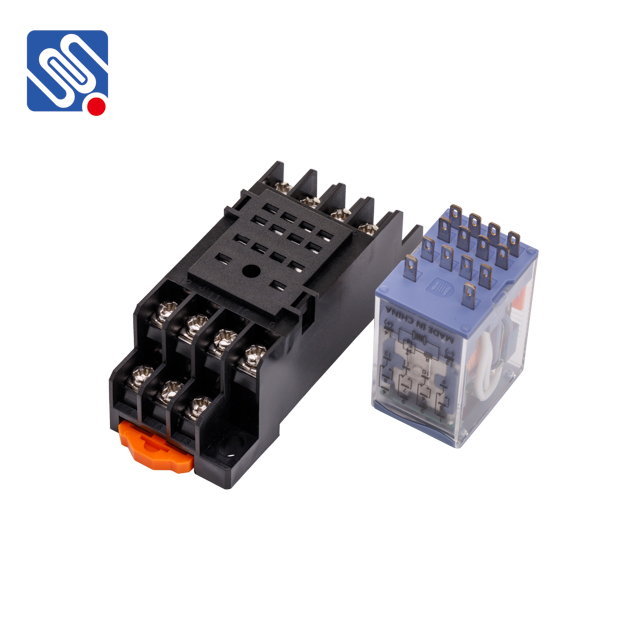
Working Principle of Electromagnetic Relay The primary function of an electromagnetic relay is to control the switching of electrical circuits. The relay consists of an electromagnet (coil), a set of contacts, and an armature. When an electric current passes through the coil, it generates a magnetic field, which attracts or repels the armature. This mechanical movement either opens or closes the relay’s contacts, enabling the relay to control the current flow in an external circuit. The working process of the relay can be summarized as follows: Activation: A small current is applied to the coil.