In today’s fast-paced industrial environment, safety is of utmost importance, especially when working with electrical equipment. One of the essential safety measures adopted by industries is the use of Electrical Equipment Lockouts. These devices prevent accidental energization of machinery during maintenance or repair work, thereby safeguarding workers from potential electrical hazards. However, when it comes to implementing these safety measures, understanding the associated costs is crucial. This article delves into the various factors that influence Electrical Equipment Lockouts price and provides insights into how organizations can make informed purchasing decisions.
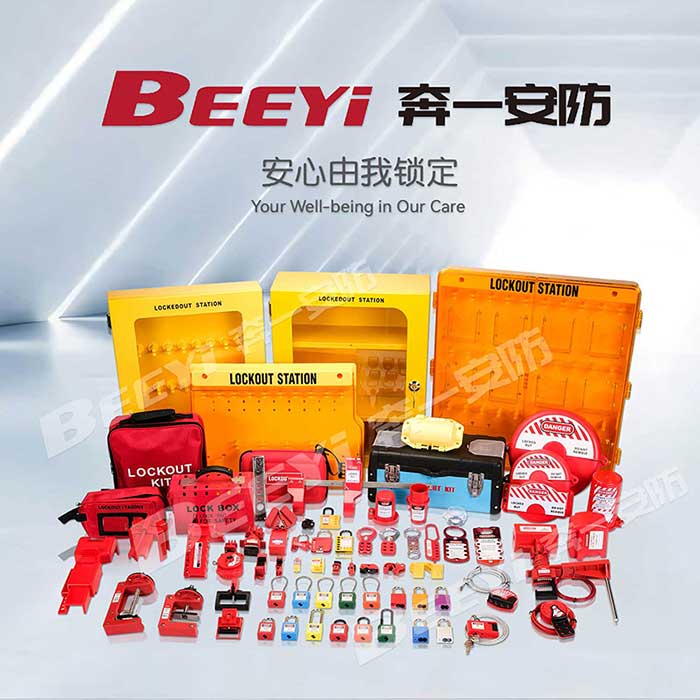
Understanding Electrical Equipment Lockouts Electrical Equipment Lockouts refer to safety devices that are used to lock electrical panels, breakers, and switches to ensure that they cannot be inadvertently powered on while maintenance or repair work is being carried out. Lockout Tagout (LOTO) procedures are critical in industries where machinery requires regular maintenance, and failure to adhere to these procedures can lead to severe injuries or fatalities. Factors Influencing Price Type of Lockout Devices: One of the primary factors affecting the price of Electrical Equipment Lockouts is the type of device being purchased. Basic lockout devices, such as padlocks and hasps, are relatively low in cost, often ranging from $5 to $20 per unit. However, more advanced locking mechanisms, such as electronic locks with keycards or biometric access, can cost significantly more, often exceeding $100. Organizations must assess their specific needs to choose the right type of lockout device within their budget.