Electrical safety is a critical concern in various industries, particularly where heavy machinery and electrical equipment are involved. One of the essential safety measures in these environments is the use of Electrical Equipment Lockouts. These devices are designed to prevent accidental energization of equipment during maintenance and repair, thereby protecting workers from potential hazards. However, understanding the pricing of these lockout devices is crucial for businesses aiming to implement effective safety protocols without exceeding budget constraints. In this article, we will delve into the factors influencing Electrical Equipment Lockouts price, along with a general overview of what to expect when investing in these safety devices.
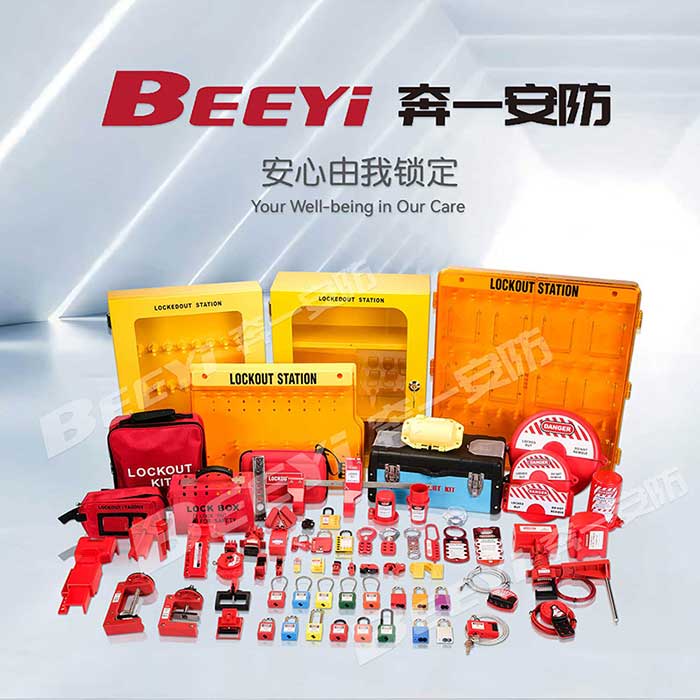
What Are Electrical Equipment Lockouts? Electrical Equipment Lockouts are safeguards used in various industrial settings, ensuring that machinery cannot be inadvertently turned on while maintenance or repairs are underway. These devices function by physically locking the controls or energy sources, requiring a key or combination to unlock them. This practice, commonly referred to as Lockout/Tagout (LOTO), is not just a recommended safety measure, but often a regulatory requirement enforced by occupational safety authorities. Factors Influencing Electrical Equipment Lockouts Price Type of Device: The price of electrical lockout devices can vary significantly based on their type. Simple padlocks may cost less than $20, while more complex devices like multi-lock hasps or lockout panels can go up to several hundred dollars. The specific application, such as locking out circuit breakers, valve handles, or plug sockets, will also play a role in determining the price.
Leave a Reply