Electrical safety is a critical concern in many industries, particularly in environments where machinery and equipment require regular maintenance. One of the essential practices that ensure the safety of workers during maintenance tasks is known as Electrical Equipment Lockouts (ELO). This process involves the physical locking and tagging of electrical devices to prevent unintentional startup or energization while servicing or repairing equipment.
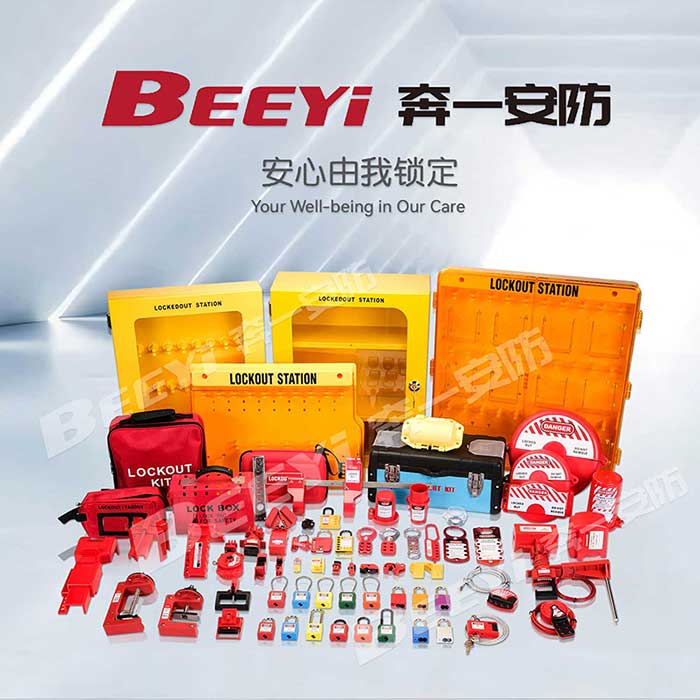
The Importance of Electrical Equipment Lockouts Electricity powers a vast array of machinery found in industries such as manufacturing, construction, and energy production. However, working with or around electrical systems poses significant risks, including electric shocks, burns, and in the worst cases, fatalities. Electrical Equipment Lockouts serve as a preventative strategy to drastically reduce these risks. Lockout practices are crucial not only for the safety of the personnel performing maintenance but also for the protection of other employees working in the vicinity. OSHA (Occupational Safety and Health Administration) regulations require employers to implement lockout/tagout (LOTO) procedures, which include Electrical Equipment Lockouts, ensuring a standardized safety protocol is in place.