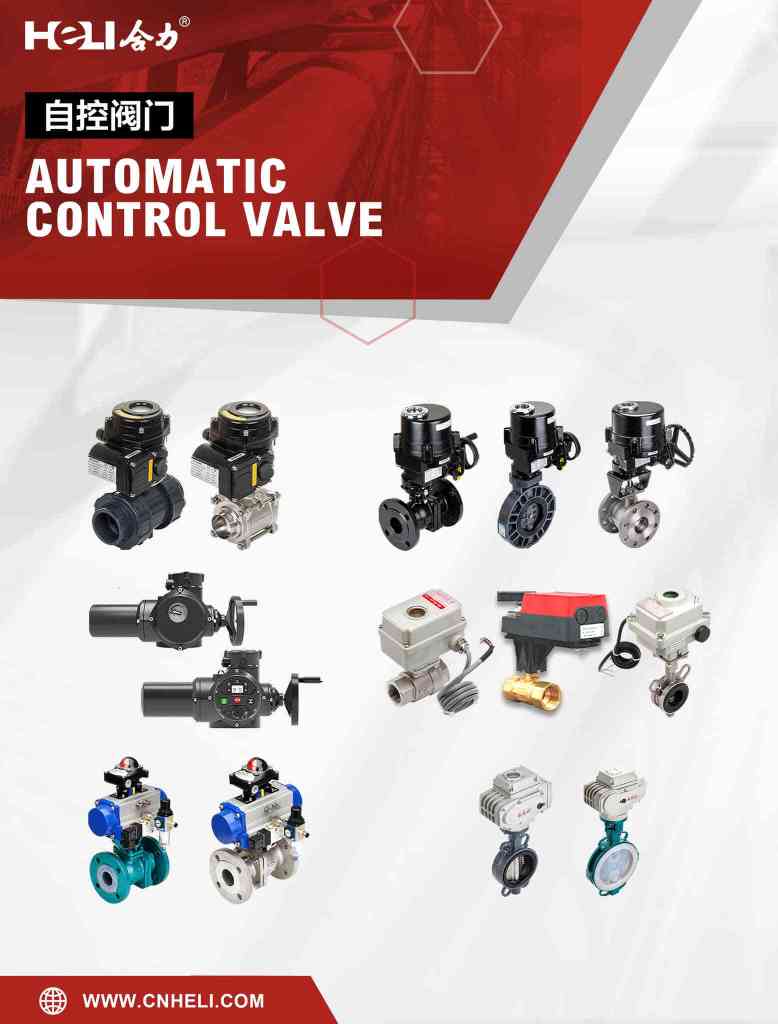
Electric valves are a pivotal component in various industrial applications, serving as essential instruments for regulating fluid flow in pipelines and systems. As industries strive for greater efficiency, automation technology has become a mainstay in operations, and electric valves play a crucial role in this evolution. This article explores the fundamentals, benefits, types, and applications of electric valves, highlighting their importance in modern automation.
What are Electric Valves?
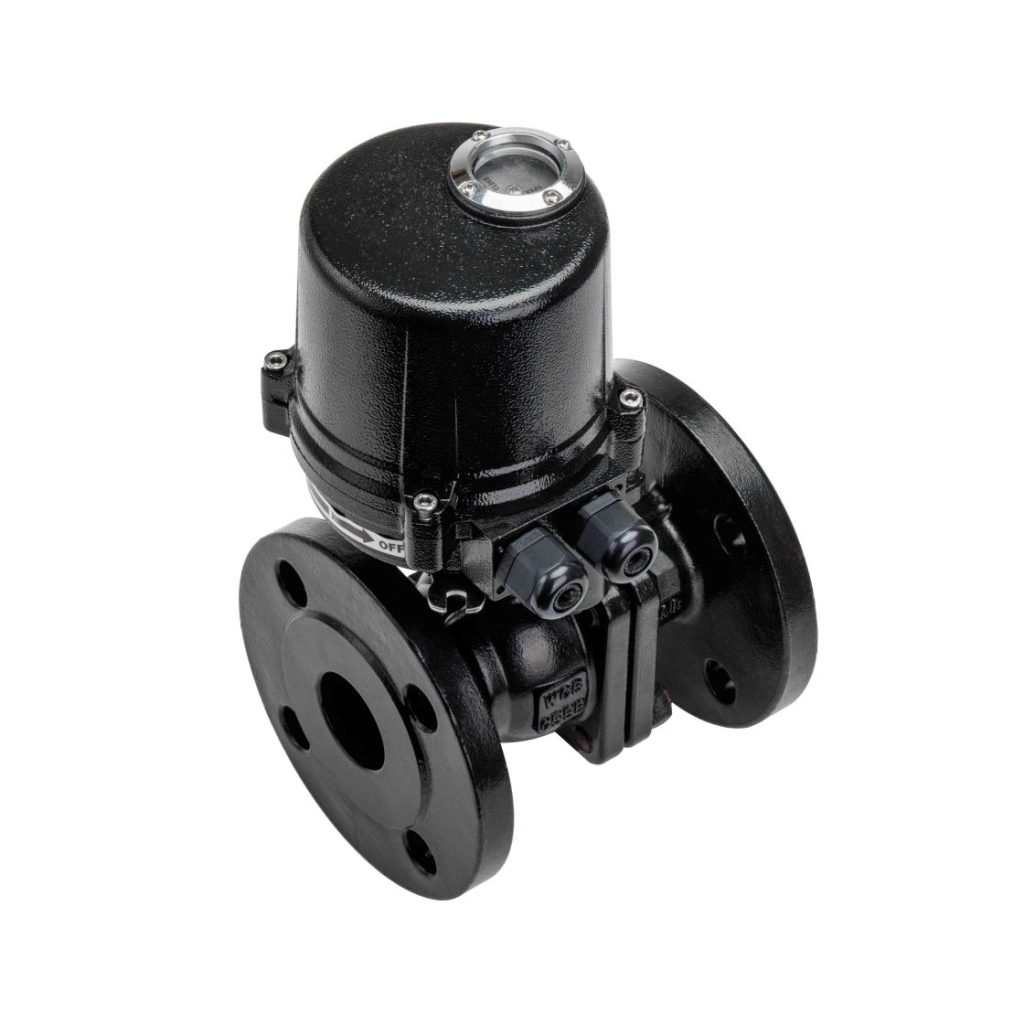
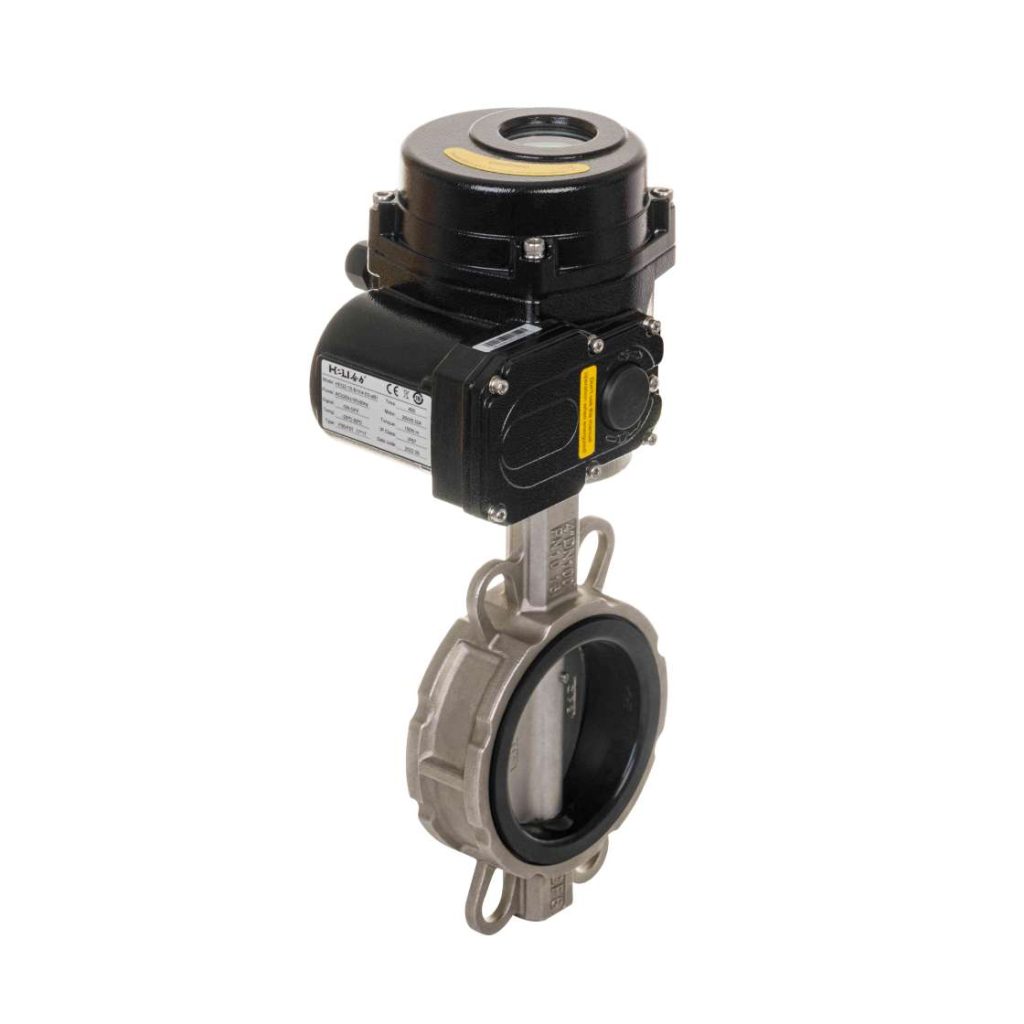
Electric valves are actuators that enable or disable fluid flow through a pipeline by turning on or off or modulating the flow based on electrical signals. Unlike manual valves, which require physical interaction to operate, electric valves are controlled remotely, allowing for precision and automation. These valves are equipped with electric actuators that convert electrical energy into mechanical energy, facilitating valve operation. Key Components of Electric Valves Electric valves consist of several key components: Valve Body: The main structure, housing the fluid flow path. It can be of various types, including ball, butterfly, globe, or gate valves.