Electric valves have become an integral part of modern industrial processes, impacting how fluid control systems operate across various sectors. As automation and precision have taken precedence in today’s technological landscape, electric valves stand out for their efficiency, reliability, and capability for remote operation. This article explores the structure, operation, applications, advantages, and limitations of electric valves, illustrating their vital role in contemporary fluid control.
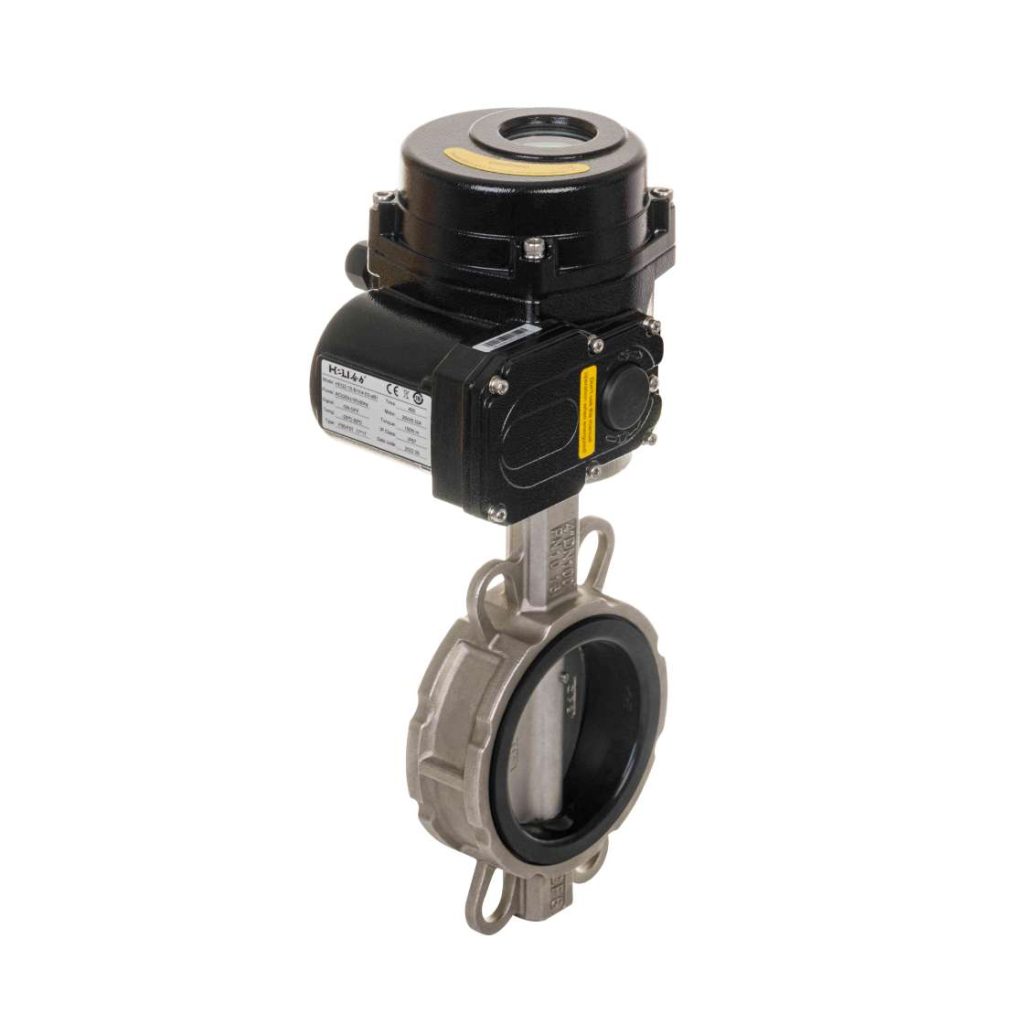
The Structure of Electric Valves
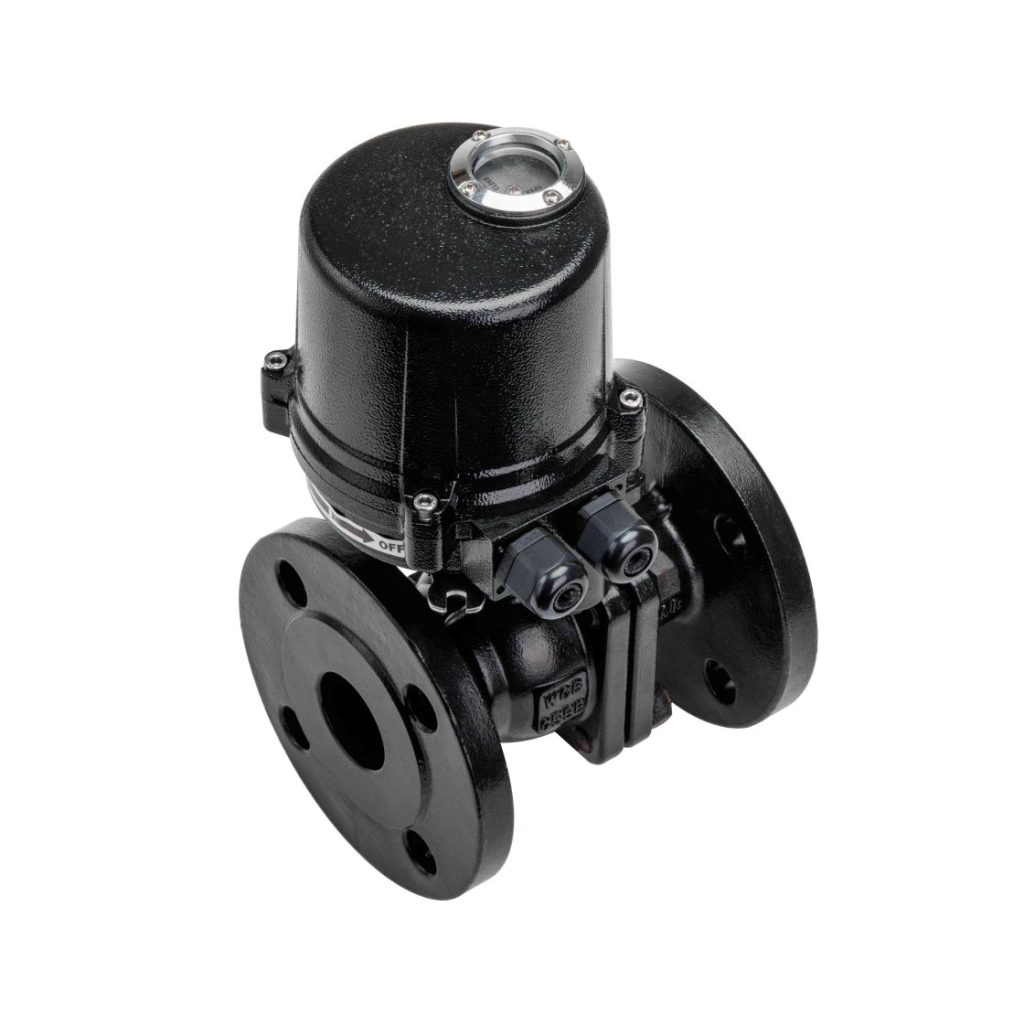
Electric valves typically consist of several key components: the valve body, actuator, and control system. The valve body is where the flow of fluid is regulated, while the actuator, usually an electric motor, operates the valve. The control system receives input signals and relays them to the actuator to open or close the valve accordingly. Some electric valves also include feedback mechanisms that provide real-time data about the valve’s status, which enhances system monitoring and control. How Electric Valves Work Electric valves operate on a straightforward principle. When an electric signal is sent from a control system, typically a Programmable Logic Controller (PLC) or Distributed Control System (DCS), the actuator receives this signal and activates. The electric motor moves the valve’s internal components—such as a ball or butterfly disk—thus controlling the flow of fluid. Depending on their design, electric valves can be either on/off or modulating.
Leave a Reply