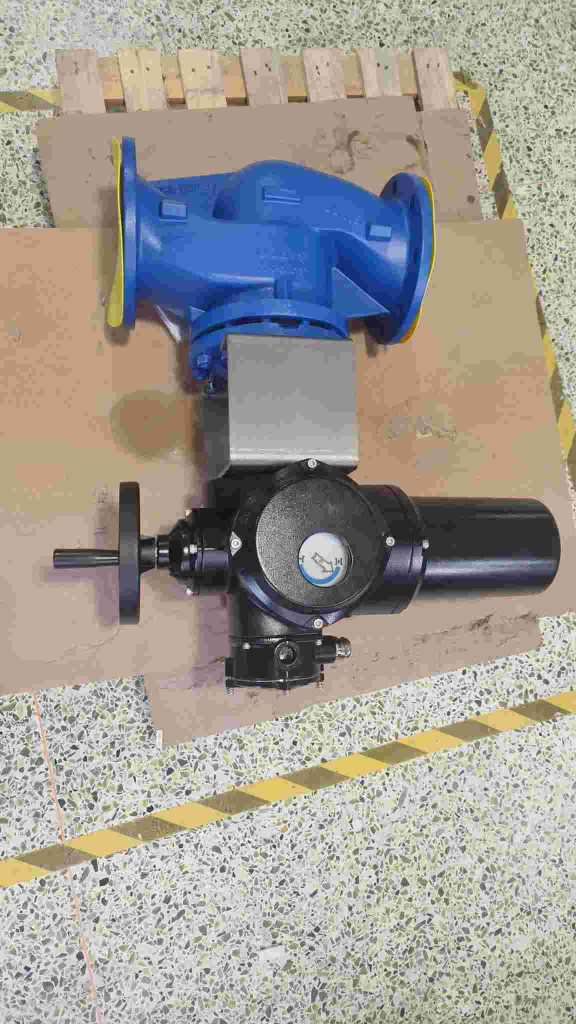
Electric globe valves are crucial components in various industrial applications, serving as a control mechanism for regulating fluid flow. They are widely utilized in sectors such as oil and gas, water treatment, power generation, and chemical processing. This article explores the design, operation, advantages, applications, and maintenance of electric globe valves, highlighting their significance in modern fluid control systems.
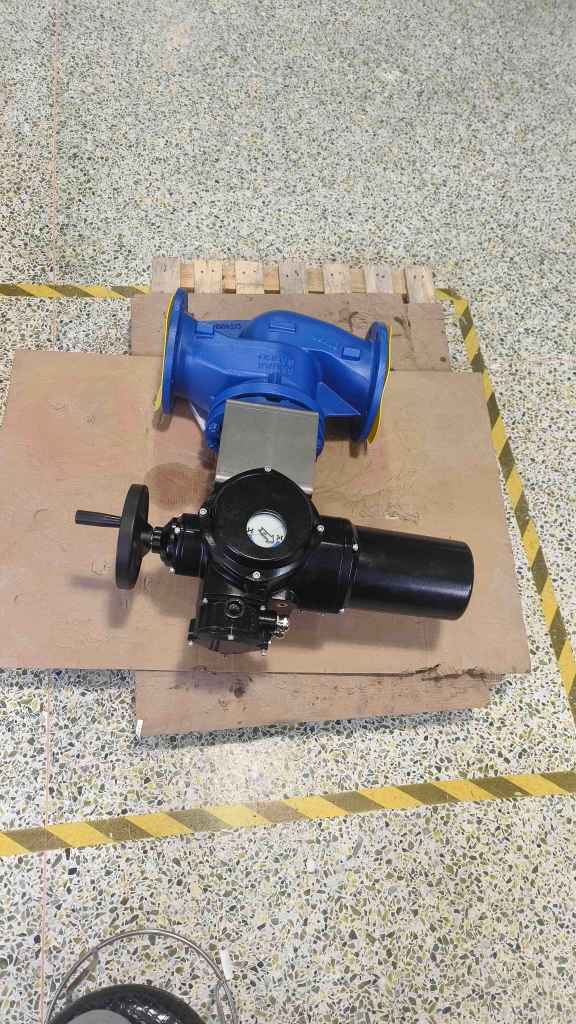
Design and Construction
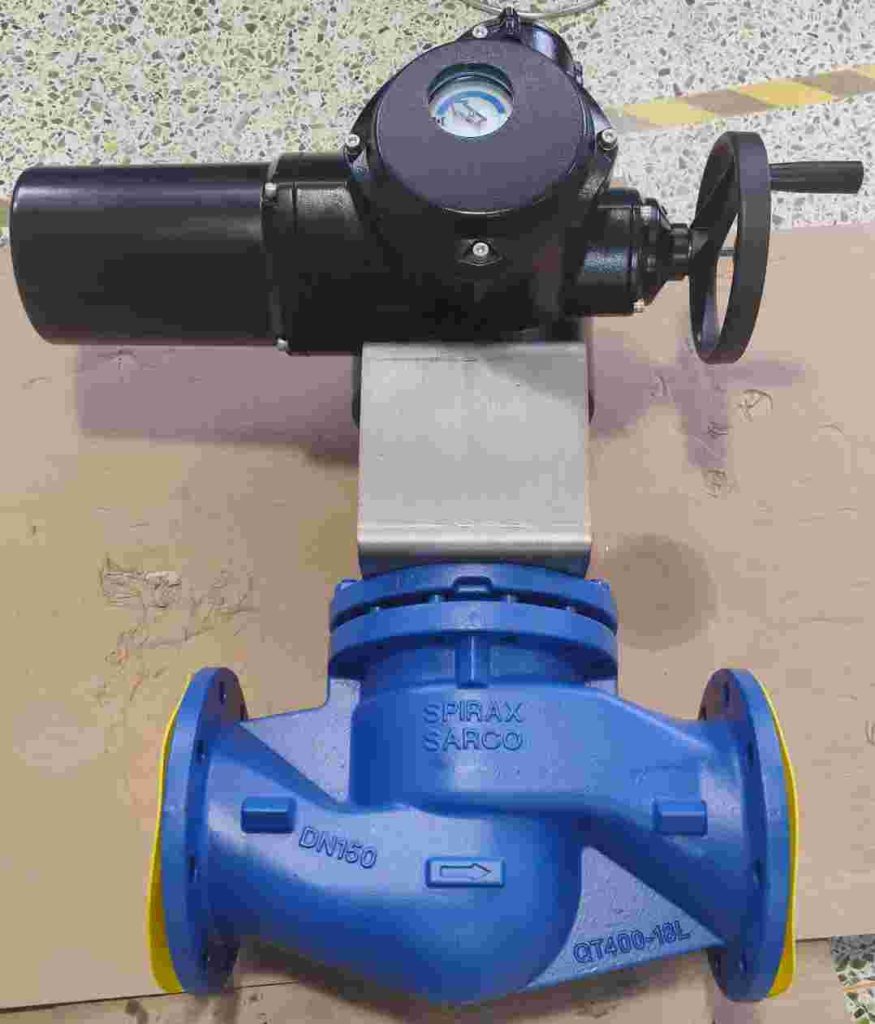
Electric globe valves are characterized by their unique shape, which resembles a globe. This design allows for a more effective throttling action compared to other valve types, such as gate valves. The valve consists of several key components: the body, disc, seat, stem, and actuator. Body: The valve body is typically made of durable materials such as stainless steel, carbon steel, or bronze, designed to withstand high pressure and temperature conditions. The body’s shape aids in creating a smooth flow path and minimizes turbulence. Disc and Seat: The disc, which is the primary component for flow regulation, is connected to the stem. When the valve is opened, the disc moves away from the seat, allowing fluid to flow through. The seat provides a sealing surface against the disc, ensuring minimal leakage when the valve is closed.