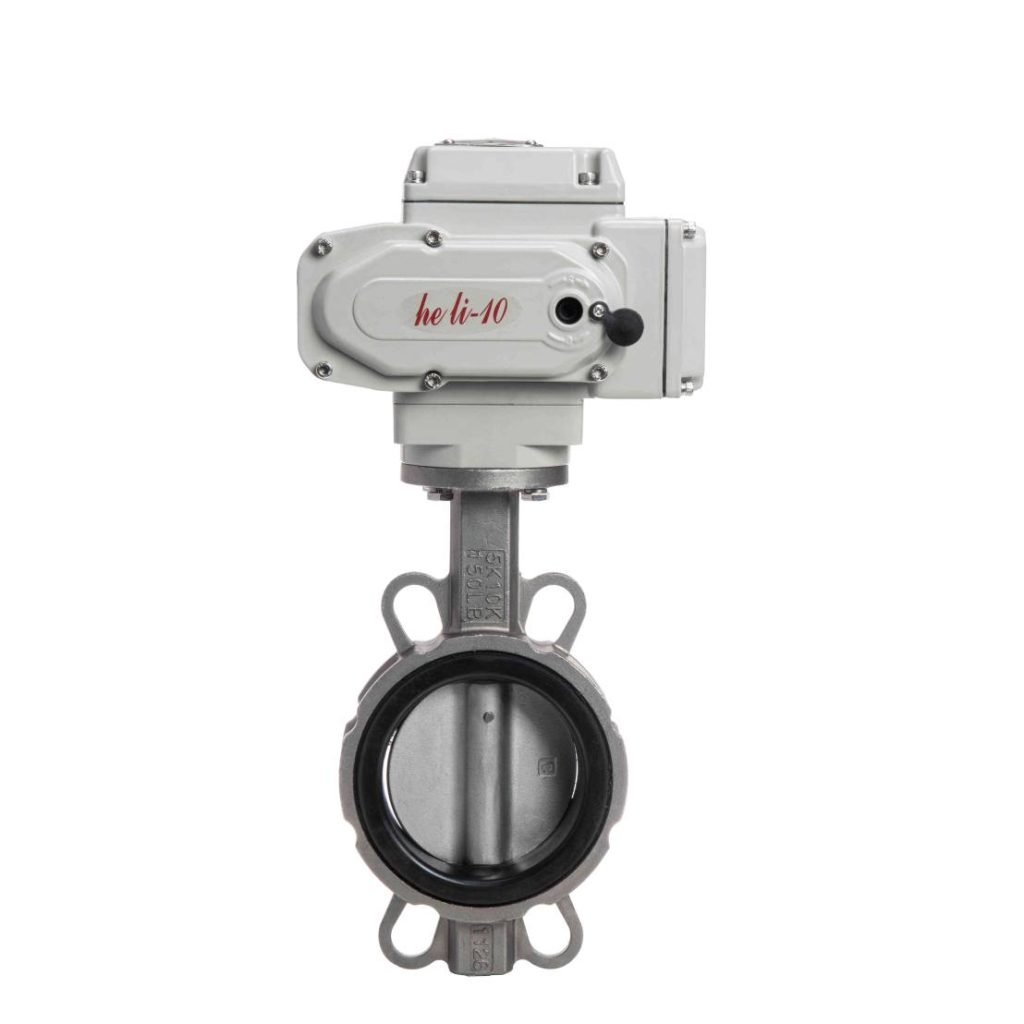
Electric clamp butterfly valves are increasingly becoming essential components in various industrial applications due to their efficient performance and versatility. These valves play a crucial role in regulating the flow of fluids in pipelines, making them indispensable in sectors such as water treatment, chemical processing, and food and beverage production. This article aims to provide an in-depth understanding of electric clamp butterfly valves, including their functionality, advantages, and applications.
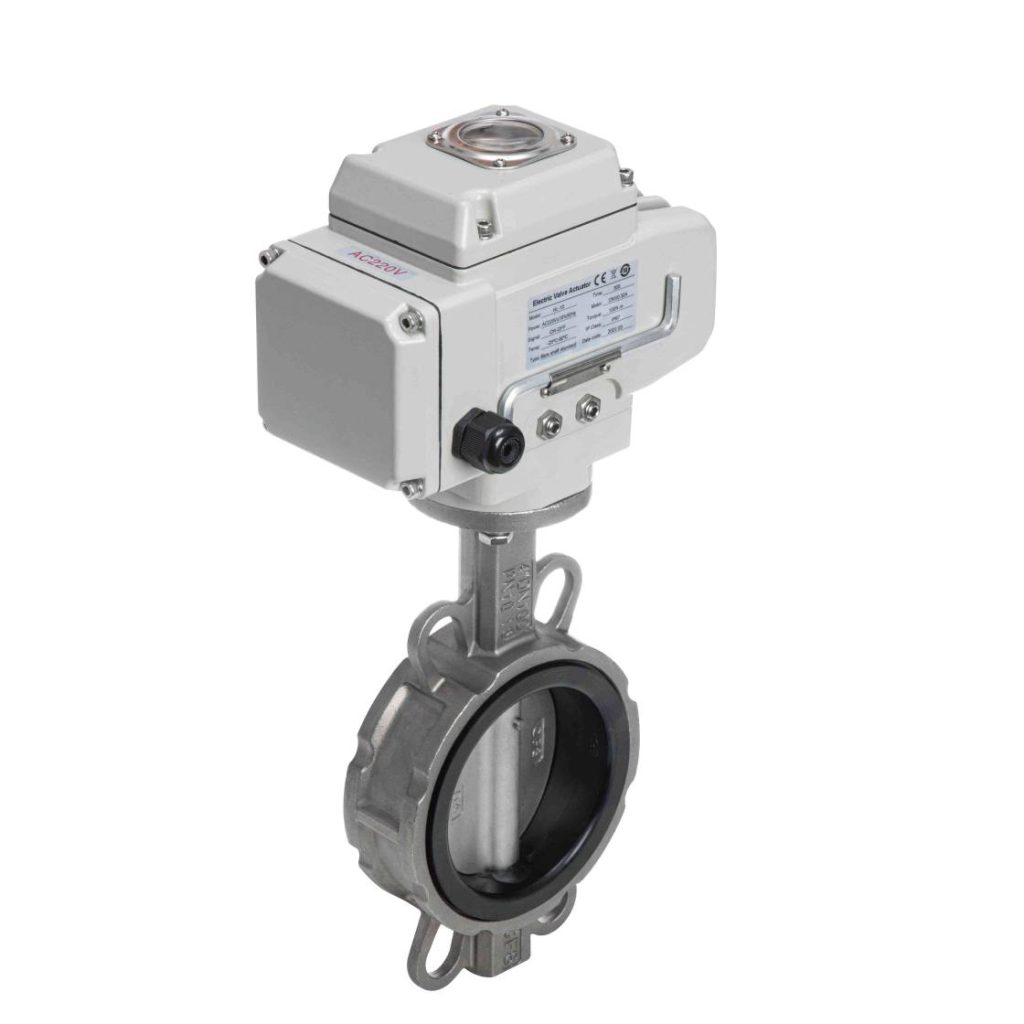
What is an Electric Clamp Butterfly Valve?
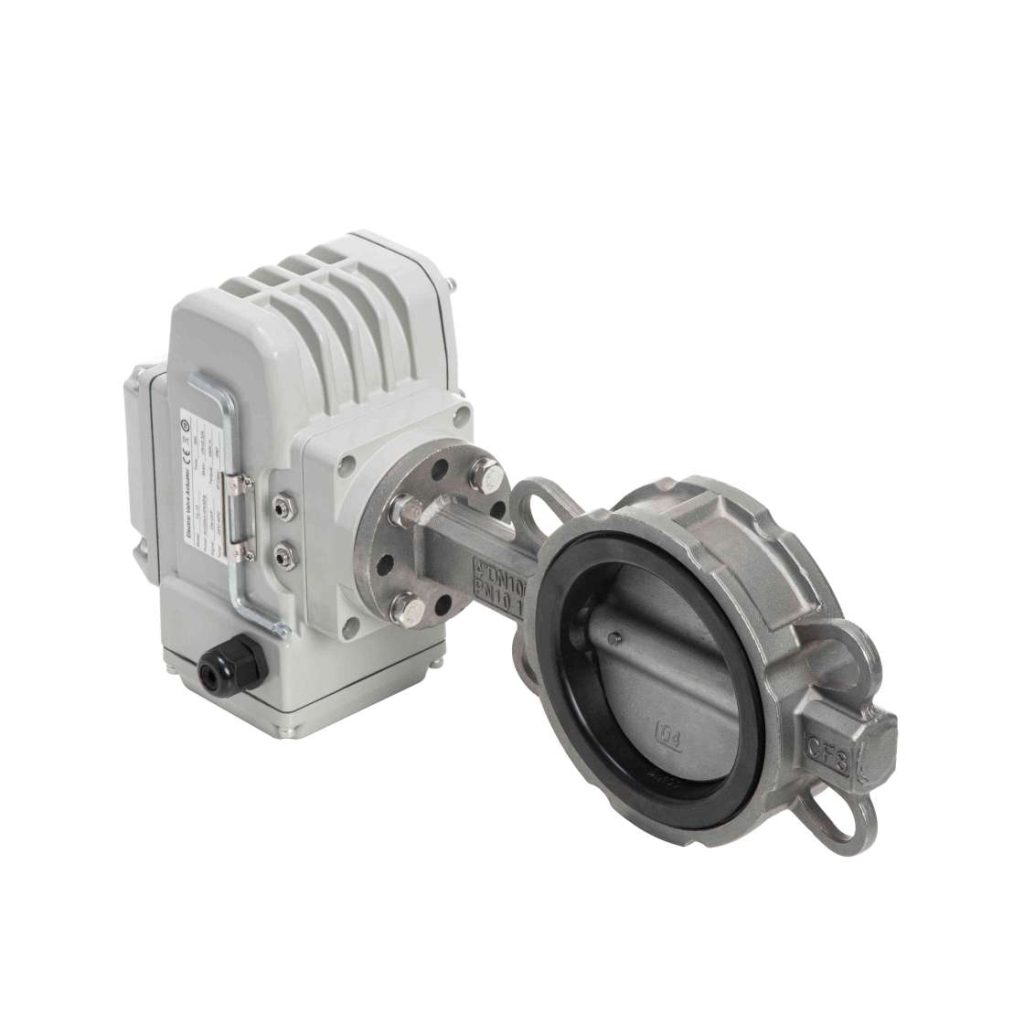
An electric clamp butterfly valve is a type of quarter-turn valve that utilizes a disc to control the flow of fluids. The disc is mounted on a shaft, which is rotated by an electric actuator. The actuator’s electrical input determines the position of the disc—fully open, partially open, or fully closed—allowing for precise flow control. The term “clamp” refers to the method of installation, where the valve body is clamped onto the pipe, ensuring a tight seal without the need for welding. Functionality and Design The design of an electric clamp butterfly valve is relatively straightforward. It consists of a valve body, a disc, a shaft, and an electric actuator. The valve body can be made from various materials, including stainless steel, PVC, and cast iron, allowing it to be tailored for specific applications and fluid types.