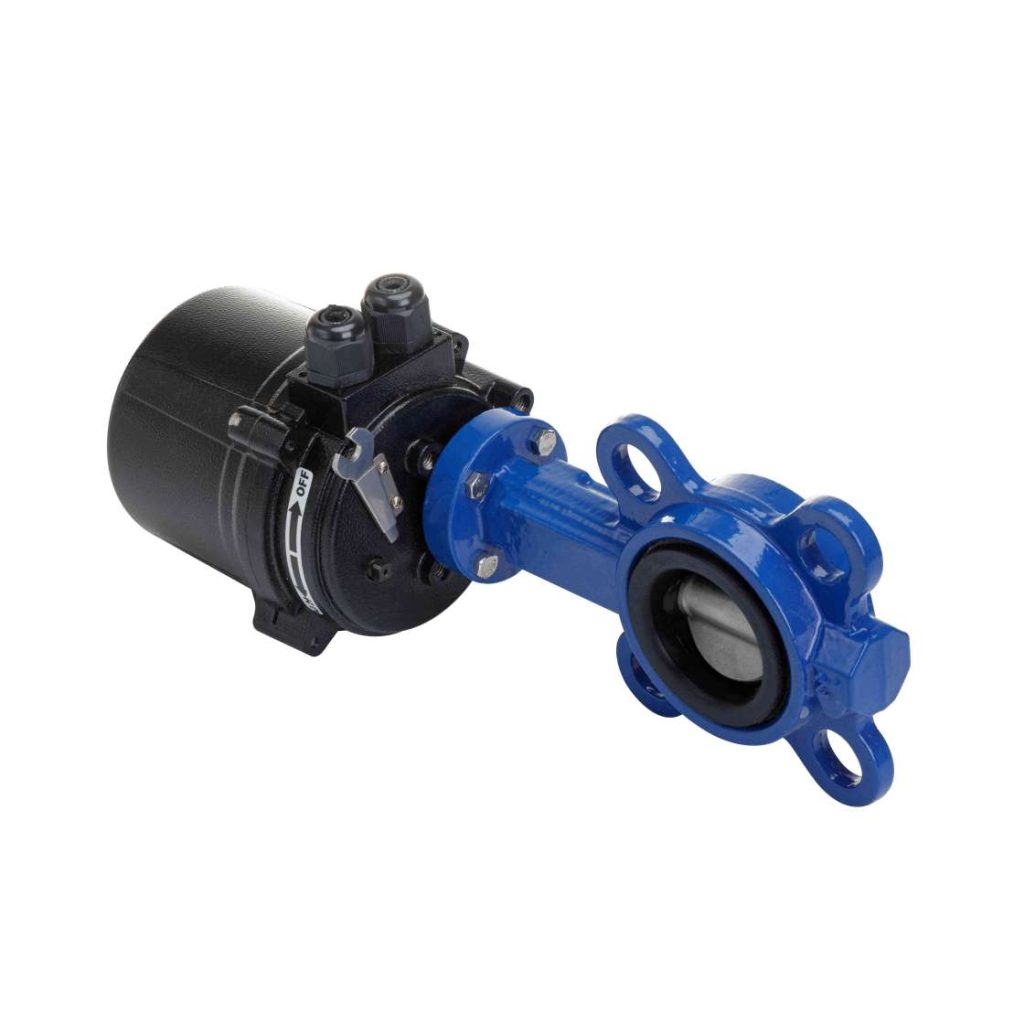
Electric butterfly valves are essential components in various industries, offering robust solutions for controlling fluid flow in pipelines. As automation and efficiency become paramount in today’s industrial landscape, understanding the functionality, advantages, and application of electric butterfly valves plays a crucial role in enhancing operational effectiveness.
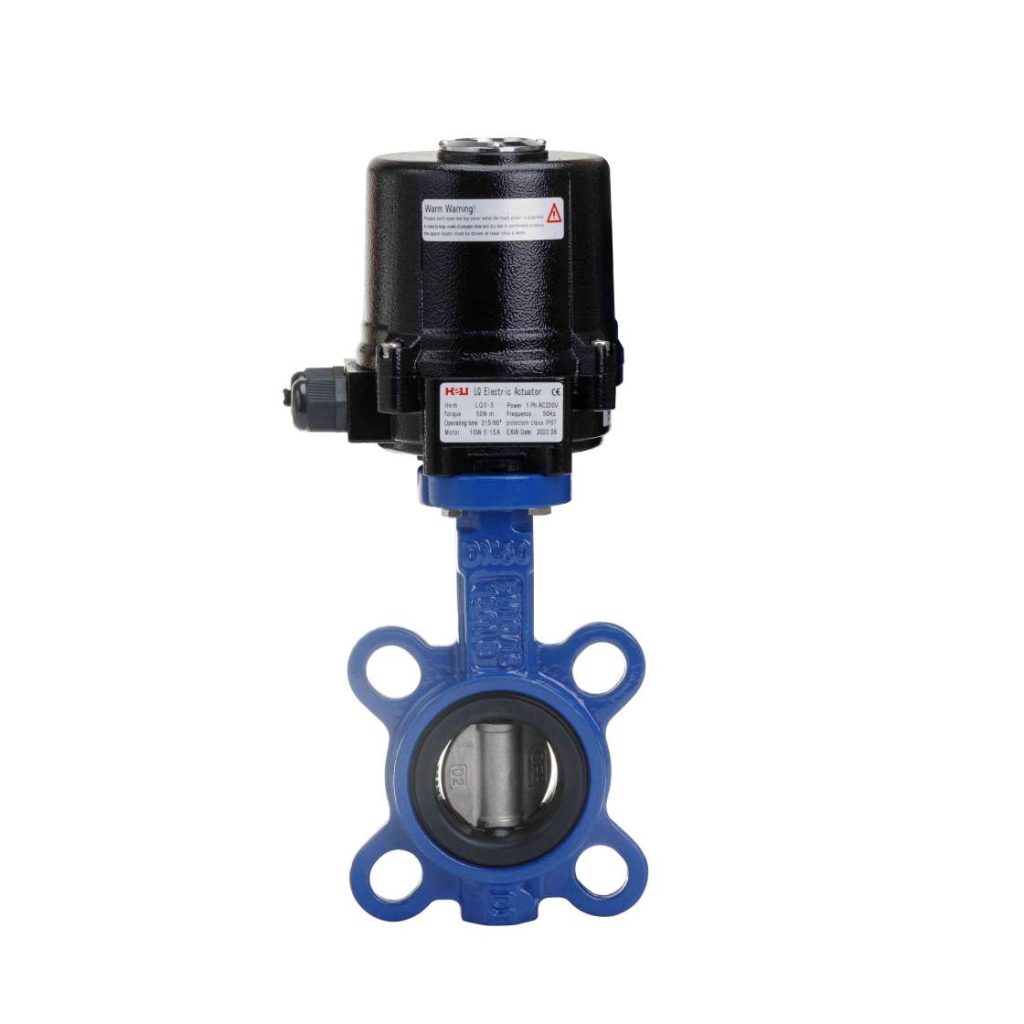
What is an Electric Butterfly Valve?
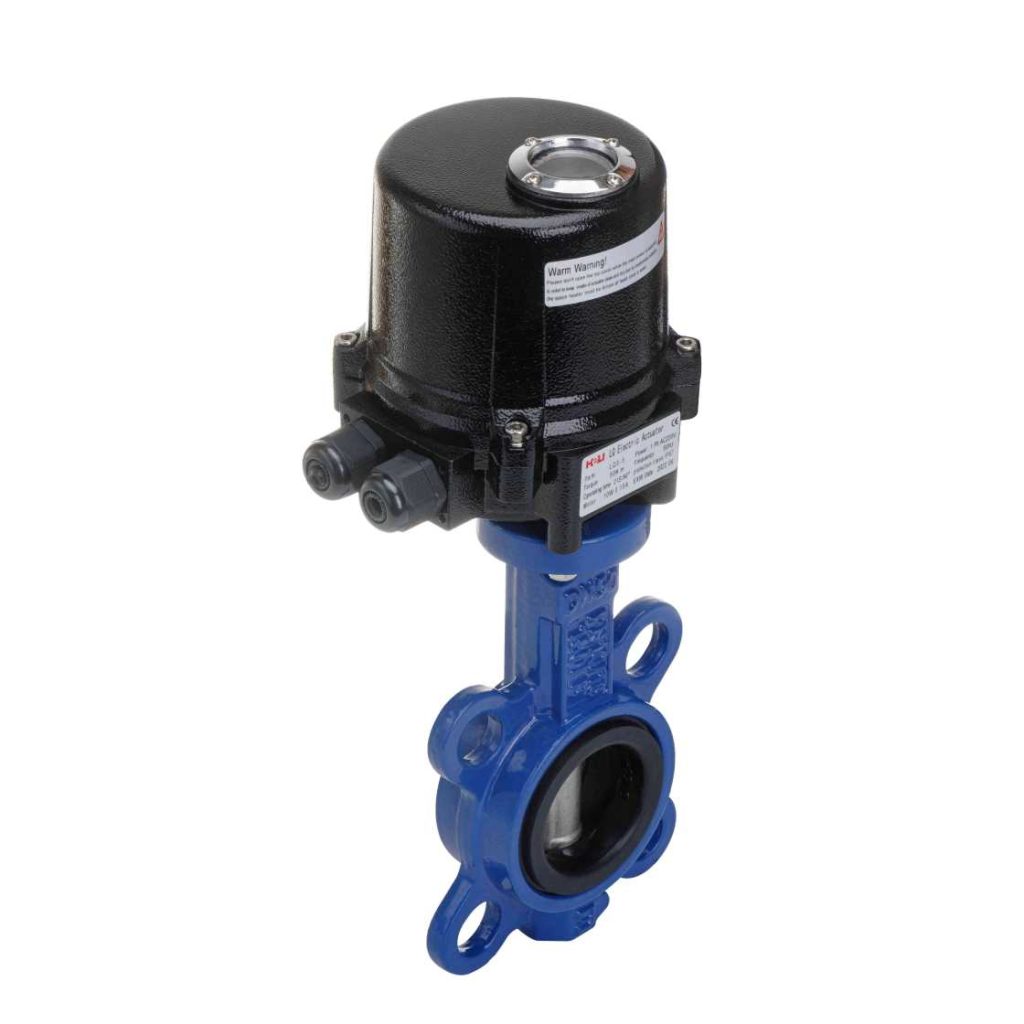
An electric butterfly valve is a type of quarter-turn valve that utilizes an electric actuator to operate the valve mechanism. The valve features a circular disc, known as the butterfly, which pivots on a shaft to either permit or restrict the flow of a medium, such as water, air, or gas. This design allows for rapid opening and closing, providing precise control over flow rates in various processes. Operational Mechanism The operational principle behind an electric butterfly valve is relatively straightforward. When the valve is commanded to open or close, the electric actuator rotates the valve disc 90 degrees. In the fully opened position, the disc aligns parallel to the flow direction, allowing maximum flow through the pipeline. Conversely, in the fully closed position, the disc is positioned perpendicular to the flow, effectively blocking fluid passage. This quick operation, typically completed in seconds, makes electric butterfly valves ideal for applications requiring rapid response times.