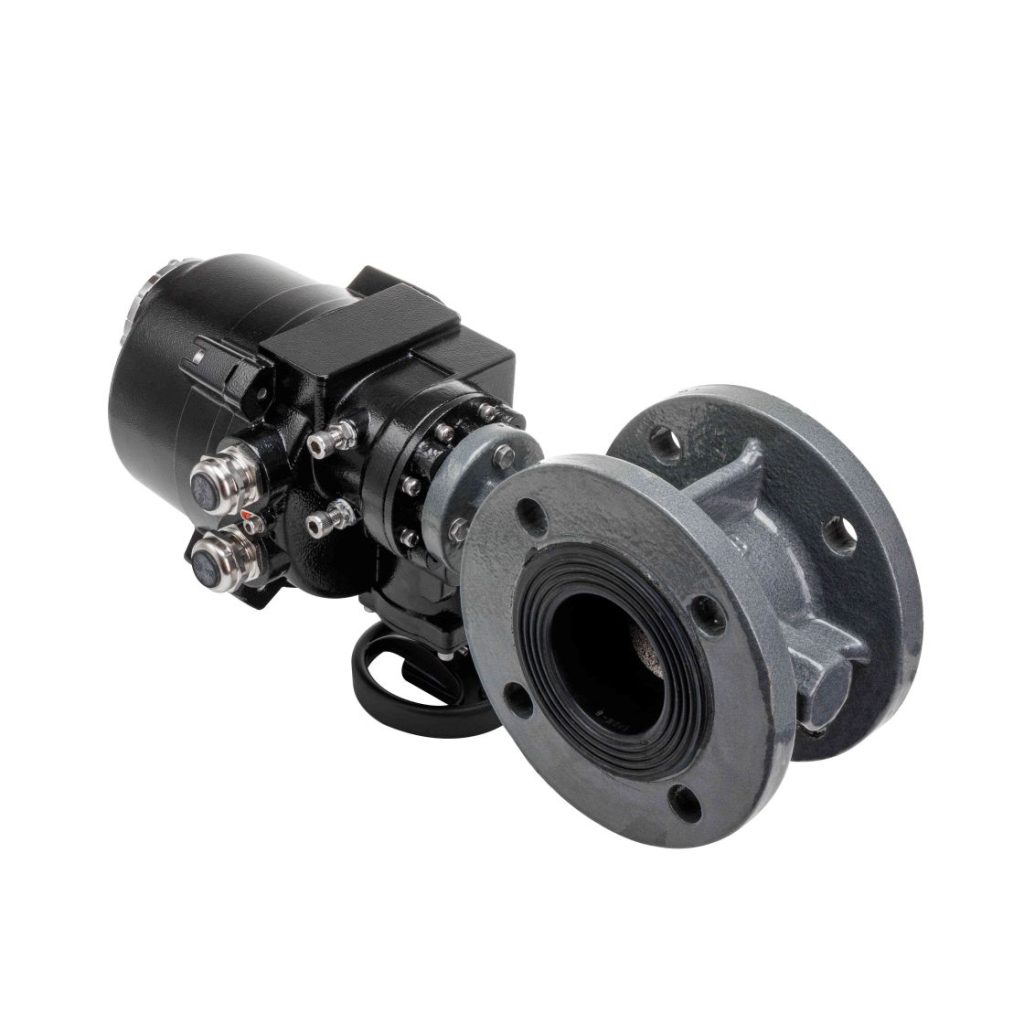
Electric ball valves have emerged as vital components in modern industrial processes, offering effective management and control of fluid flow. Their unique design, driven by electric actuators, allows for enhanced precision and efficiency in fluid regulation. In this article, we will explore the functionality, benefits, and various applications of electric ball valves, illuminating their significance in contemporary engineering and automation.
Functionality of Electric Ball Valves
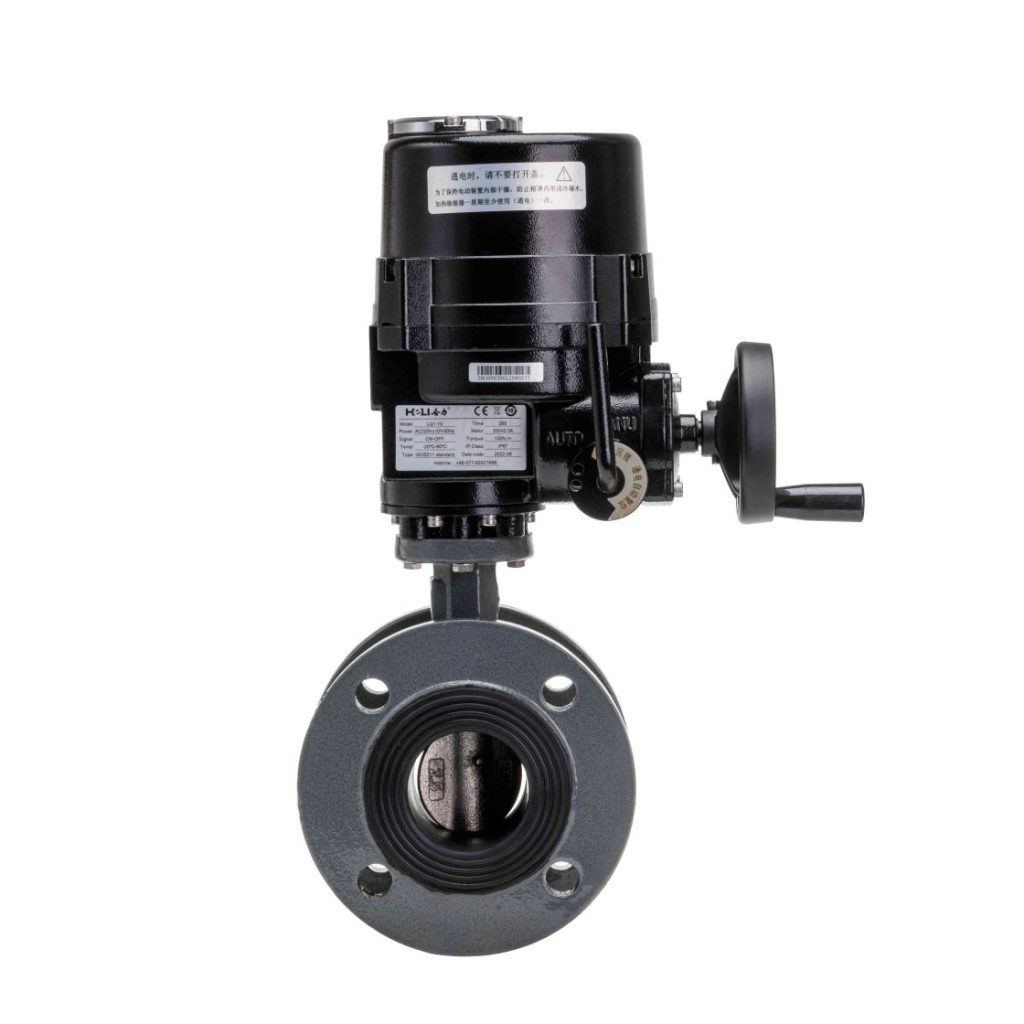
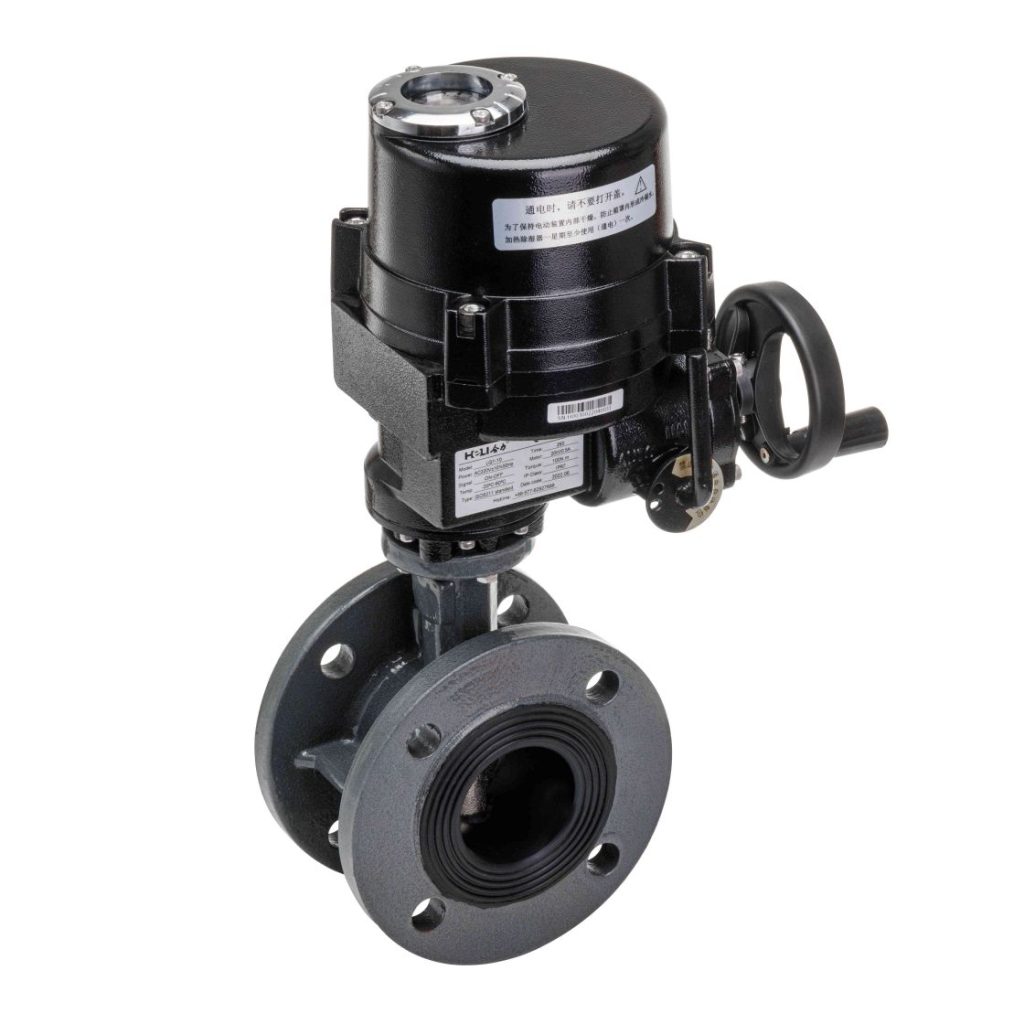
An electric ball valve comprises two critical parts: the valve body and the electric actuator. The valve body often features a hollow, spherical ball with a channel (or bore) through its center. When the ball is positioned in line with the flow, the valve is open, allowing fluids to pass through. Conversely, when the ball is rotated 90 degrees, the flow is obstructed, effectively closing the valve. The electric actuator serves as the driving force behind this rotational movement. Upon receiving signals from a control system, the actuator energizes, triggering the motor to turn the valve ball. This can involve simple open/close functions or more complex modulation of the flow, depending on the application. Some models come equipped with position feedback sensors, providing real-time data on the valve’s status to the control system, ensuring optimal performance in demanding environments.