Electric ball valves are an essential component in modern industrial automation, offering reliable control for the flow of various fluids and gases. These valves are designed with an electric actuator that controls the rotation of a ball inside the valve, allowing precise flow regulation or complete shut-off. As industries continue to embrace automation and remote control solutions, the demand for electric ball valves has grown significantly. This article explores the role of Electric Ball Valve OEM Manufacturers, discussing their significance, functions, and the factors to consider when choosing the right OEM supplier.
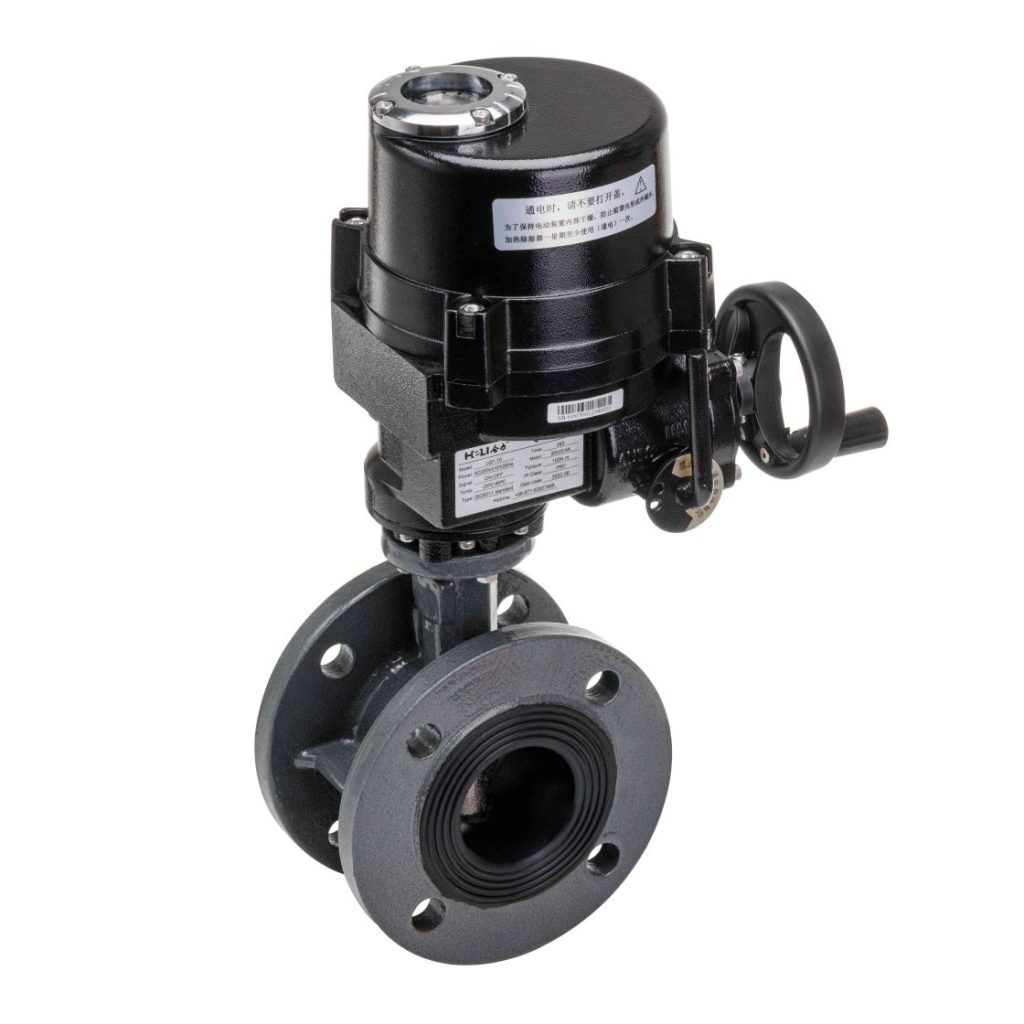
What is an Electric Ball Valve?
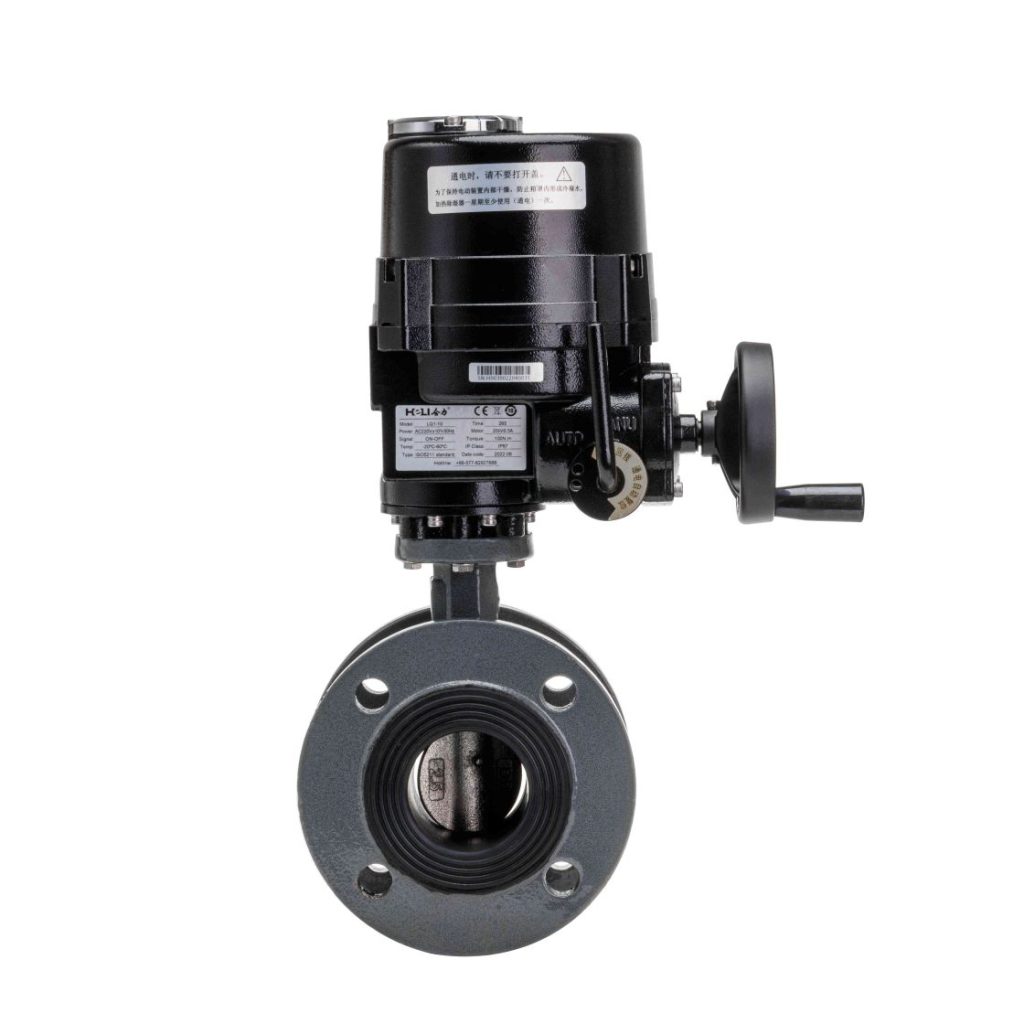
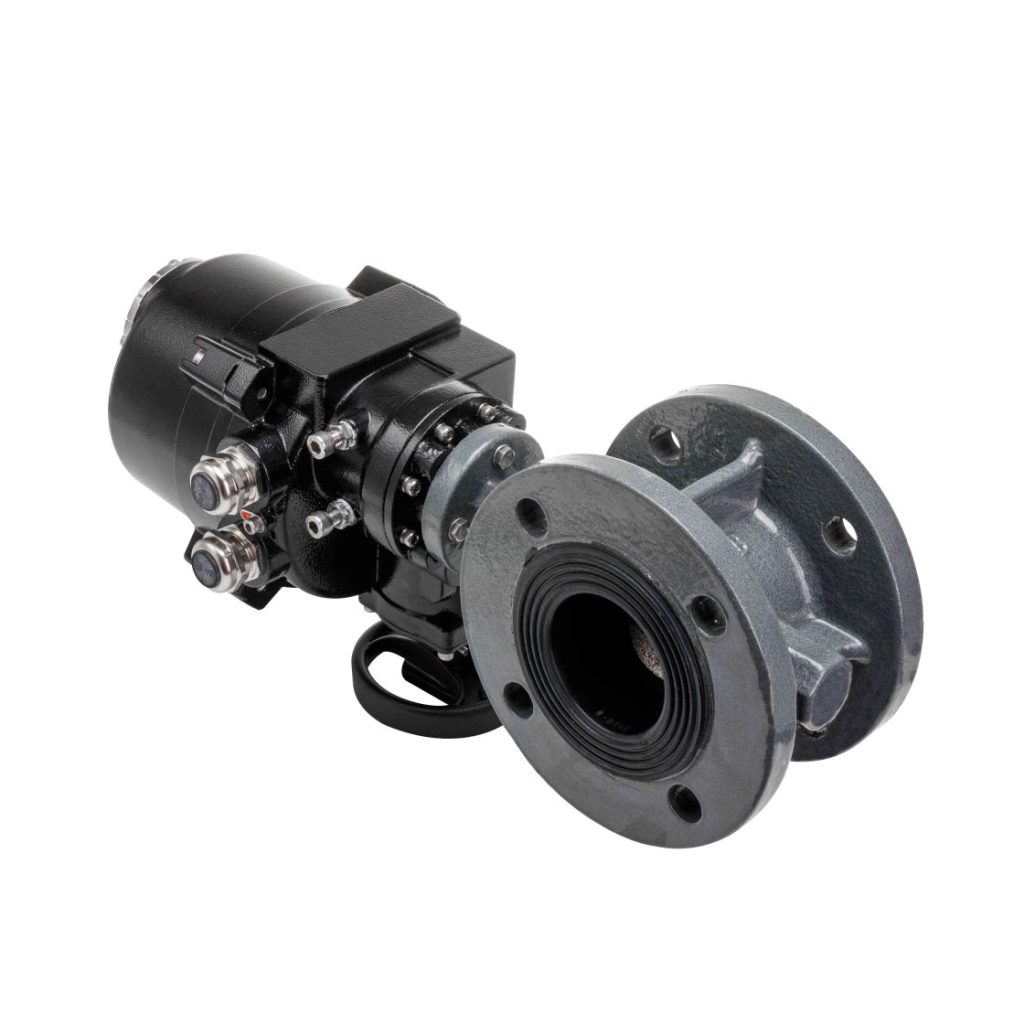
An electric ball valve consists of a valve body, a spherical ball with a hole in the middle (the ball), an electric actuator, and control mechanisms. The actuator, powered by electricity, rotates the ball to either open or close the valve, controlling the flow of liquids, gases, or slurries. The valve can also be used for proportional control, allowing for continuous regulation of flow rates.
In comparison to manual ball valves, electric ball valves offer greater automation, precision, and the ability to integrate with remote control systems, making them indispensable in industries like HVAC, water treatment, oil & gas, and chemical processing.
Leave a Reply