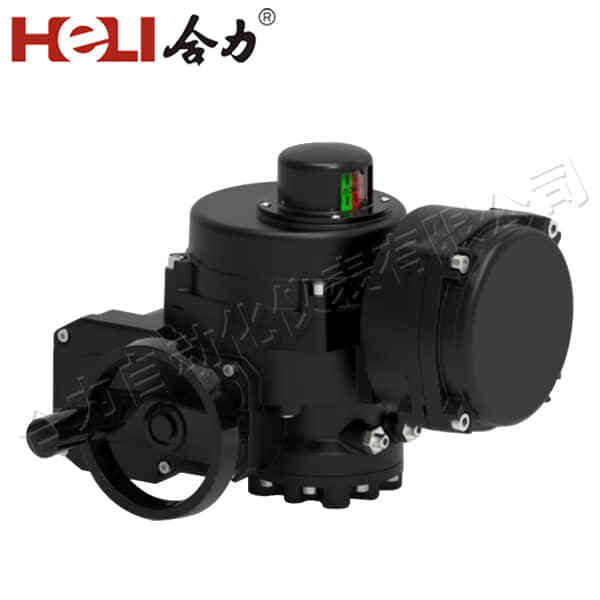
Electric actuators are an integral part of modern automation systems. These devices convert electrical energy into mechanical motion, enabling precise control over various systems and processes. From industrial machinery to smart home devices, electric actuators play a pivotal role in enhancing efficiency, accuracy, and productivity across diverse applications. In this article, we will delve into the working principles, advantages, disadvantages, and applications of electric actuators, highlighting their significance in today’s automated world.
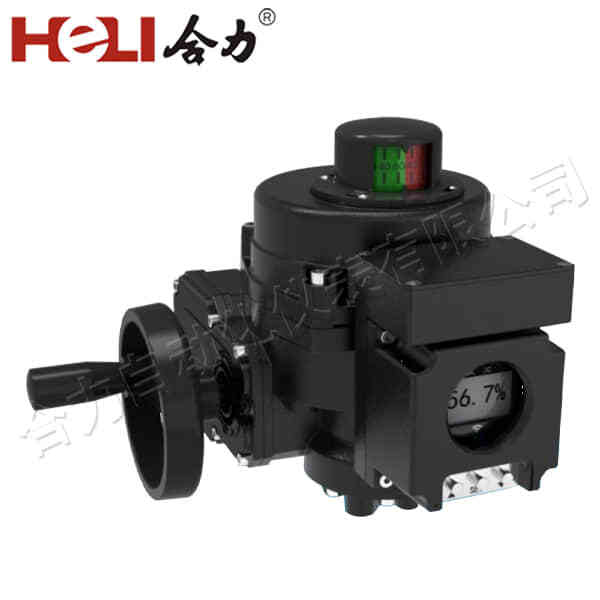
Working Principles of Electric Actuators
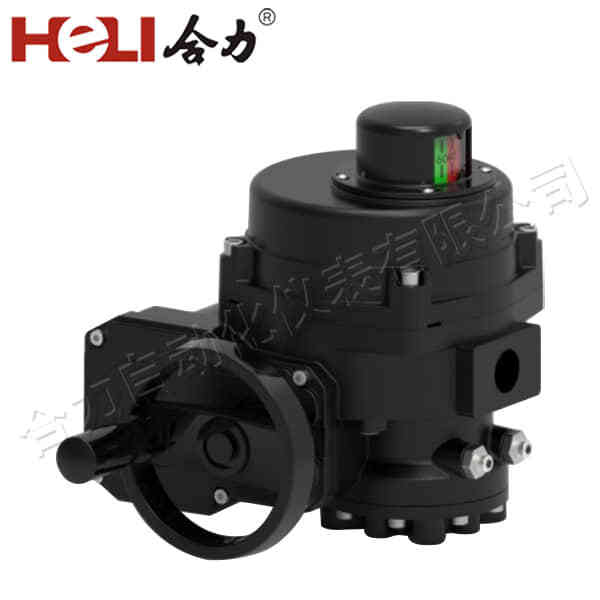
Electric actuators function by transforming electrical energy into mechanical action. They consist of several key components, including an electric motor, a reduction gear, a drive mechanism, and a control system. The electric motor is the heart of the actuator, where electrical energy is converted into rotational motion. Depending on the design, common types of motors used in electric actuators include AC motors, DC motors, and stepper motors. Once the motor generates rotation, it typically transmits this motion through a reduction gearbox. The gearbox reduces the speed of the motor’s output while simultaneously increasing torque, which is essential for driving different types of loads. The drive mechanism then converts the rotational motion into linear movement or other desired motion forms, such as rotary or oscillatory movement.