Electric actuators have become essential components in numerous industrial and automated systems. They convert electrical energy into mechanical motion, enabling a wide array of applications, from regulating valves in pipelines to actuating robotic arms. The significance of electric actuators stems from their efficiency, precision, and adaptability in various settings.
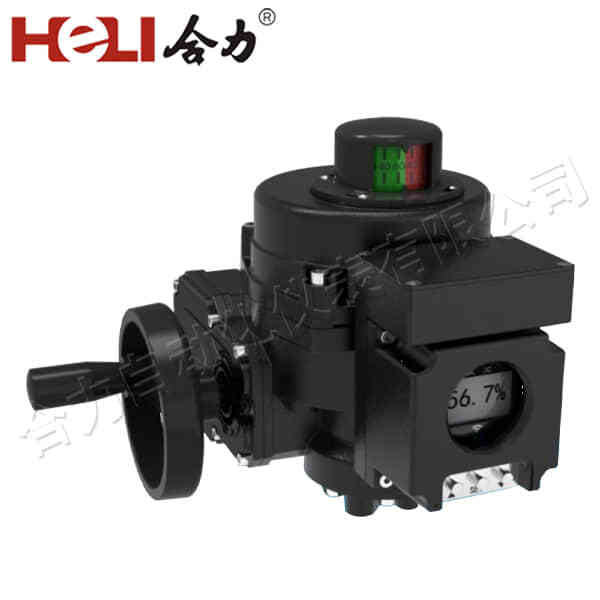
Working Principle of Electric Actuators
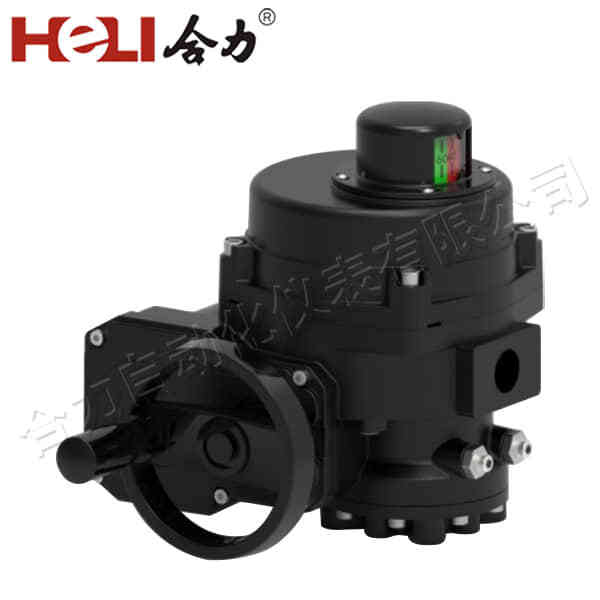
At the core of an electric actuator is an electric motor, which serves as the primary power source. There are several types of electric actuators depending on the motor used, including: DC Electric Actuators: These utilize direct current motors, enabling smooth and controllable motion. They are popular in applications requiring variable speed control. AC Electric Actuators: Using alternating current motors, these actuators are often found in applications requiring higher power outputs. They are favored for their robustness and efficiency in continuous operations. Stepper Electric Actuators: These actuators divide a full rotation into a significant number of steps. This allows for high precision and control, making them ideal for applications where accurate positioning is critical.
Leave a Reply