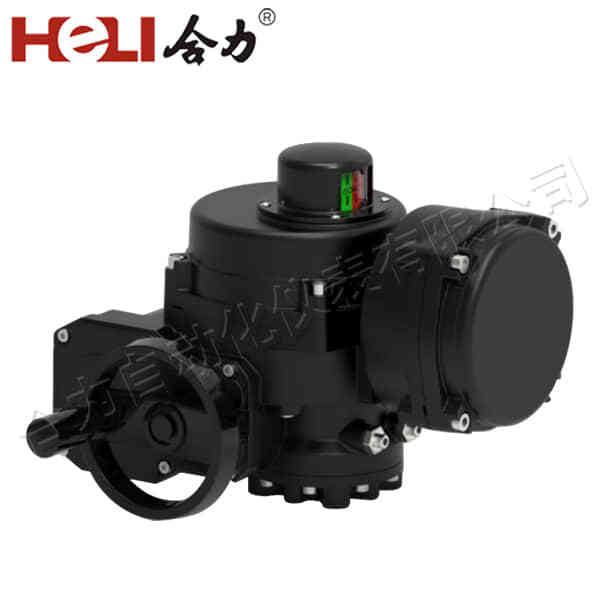
In an era where automation and efficiency are paramount, electric actuator valves have emerged as pivotal components in various industries. These devices combine the functionality of a valve with an electric actuator mechanism, providing precise control over fluid and gas flow in pipelines. This article explores the workings, benefits, applications, and considerations associated with electric actuator valves.
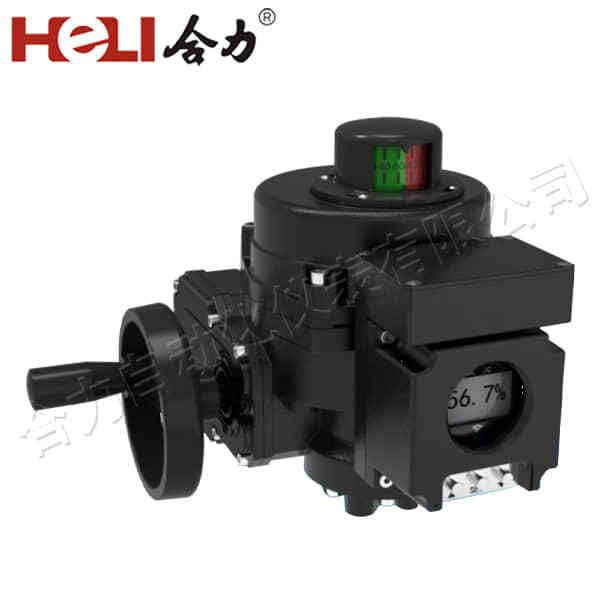
What is an Electric Actuator Valve?
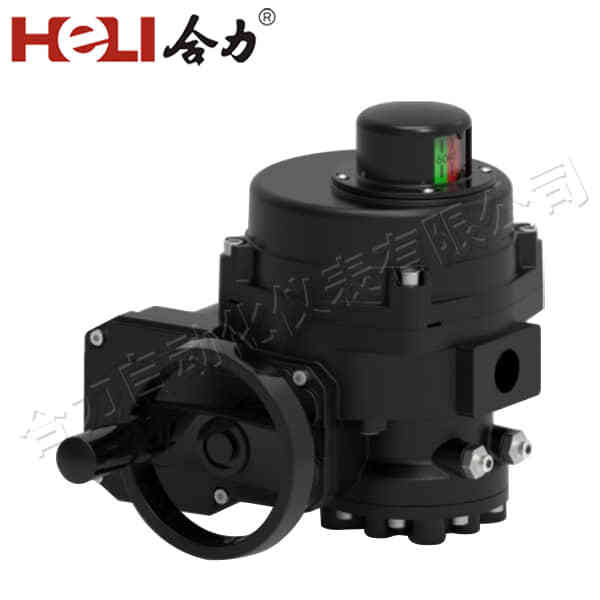
An electric actuator valve consists of two primary components: the valve itself and the electric actuator. The valve can be a ball valve, butterfly valve, gate valve, or any other type designed to control flow. The electric actuator works by converting electrical energy into mechanical energy, allowing for the opening and closing of the valve based on control signals. How Do Electric Actuator Valves Work? The working principle of electric actuator valves is straightforward. The actuator receives an electrical signal, often in the form of a 4-20 mA signal or a 0-10 V control voltage. This signal indicates the position the valve should be in—fully open, partially open, or fully closed. The actuator’s motor then rotates a shaft, which is connected to the valve’s drive mechanism. This rotation results in the valve moving accordingly to control the flow of the media within the pipeline.