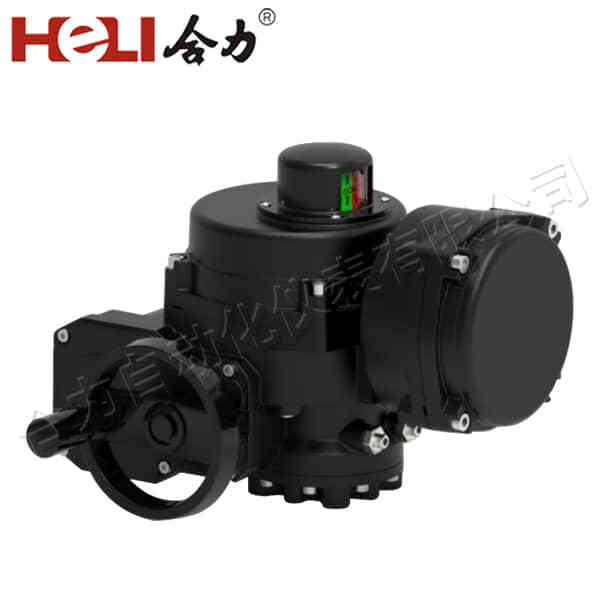
In today’s industrial landscape, efficiency and precision are paramount. Electric actuator valves have emerged as a vital component in fluid control systems, offering a reliable and effective solution for managing the flow of liquids, gases, and slurries across various sectors. This article delves into the intricacies of electric actuator valves, exploring their components, functionalities, advantages, applications, and considerations for selection.
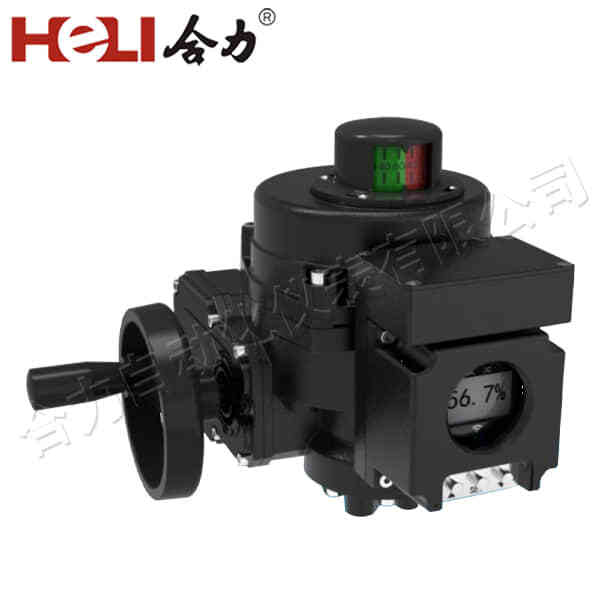
Components of Electric Actuator Valves

Electric actuator valves comprise three fundamental components: the valve body, the electric actuator, and the control system. Valve Body: This is the primary component where the fluid flows through. It can take various forms depending on the application, such as ball valves, butterfly valves, or gate valves. The design of the valve body significantly impacts flow characteristics and pressure ratings. Electric Actuator: The heart of the electric actuator valve, this component transforms electrical energy into mechanical motion. It typically consists of an electric motor, a gearbox, and a control system. The actuator receives input signals, which dictate whether the valve should open, close, or modulate to a specific position.