Direct acting solenoid valves are essential components widely used in various industrial applications to control the flow of liquids and gases. Utilizing electromagnetic principles, these valves provide an efficient and reliable method to manage fluid flow, making them indispensable in sectors like manufacturing, automation, HVAC, and more. This article explores the working principle, applications, and benefits of direct acting solenoid valves, along with considerations for their optimal use.
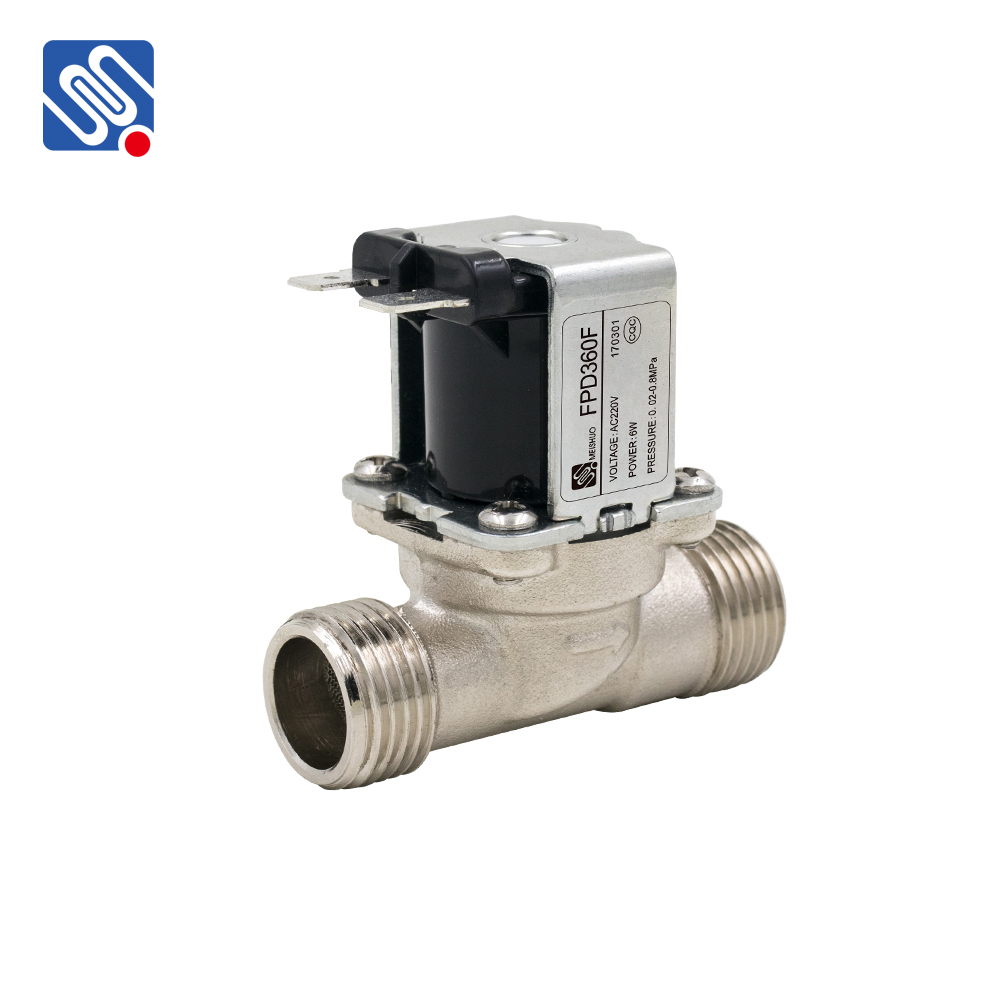
Working Principle At the heart of a direct acting solenoid valve is an electromagnetic coil. When electrical current passes through this coil, it generates a magnetic field. This magnetic field activates a movable armature or plunger inside the valve. The action of the armature is what ultimately opens or closes the valve. In its resting state, a direct acting solenoid valve can be normally closed (NC) or normally open (NO). In a normally closed configuration, the valve remains closed when there is no electrical current. When current flows through the coil, the magnetic field pulls the armature, which opens the valve and allows fluid or gas to flow. Conversely, a normally open valve operates in the opposite manner — it allows flow when there is no current and closes when the coil is energized.