A Direct Acting Solenoid Valve is a type of electromechanical valve used to control the flow of fluids or gases in a variety of systems. These valves are essential components in many automation systems, ranging from industrial machinery to household appliances. Direct acting solenoid valves are known for their simple yet highly effective design, which allows for fast and reliable control of fluid flow without the need for external pressure or force. In this article, we will explore the working principle, applications, advantages, and potential limitations of the direct acting solenoid valve.
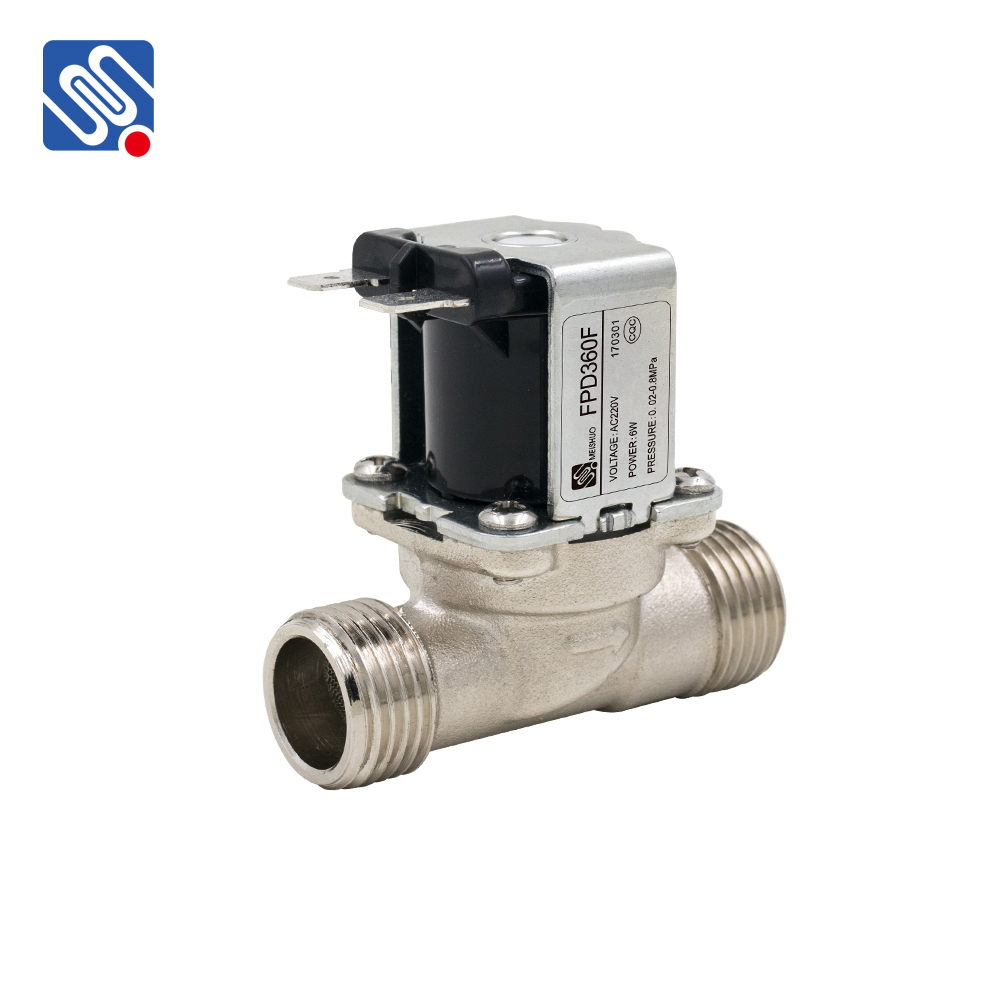
Working Principle At its core, a direct acting solenoid valve is powered by an electromagnetic coil, which, when energized, generates a magnetic field. This magnetic field moves a plunger or armature inside the valve, physically opening or closing the valve port. The movement of the valve is directly controlled by the electrical current passing through the coil, hence the term “direct acting.” Unlike pilot-operated solenoid valves, which require external pressure to assist in the valve operation, a direct acting solenoid valve works independently of external pressure. This makes it ideal for applications where precise control over small flow rates is required. The absence of a need for external pressure also simplifies the design and maintenance of these valves.