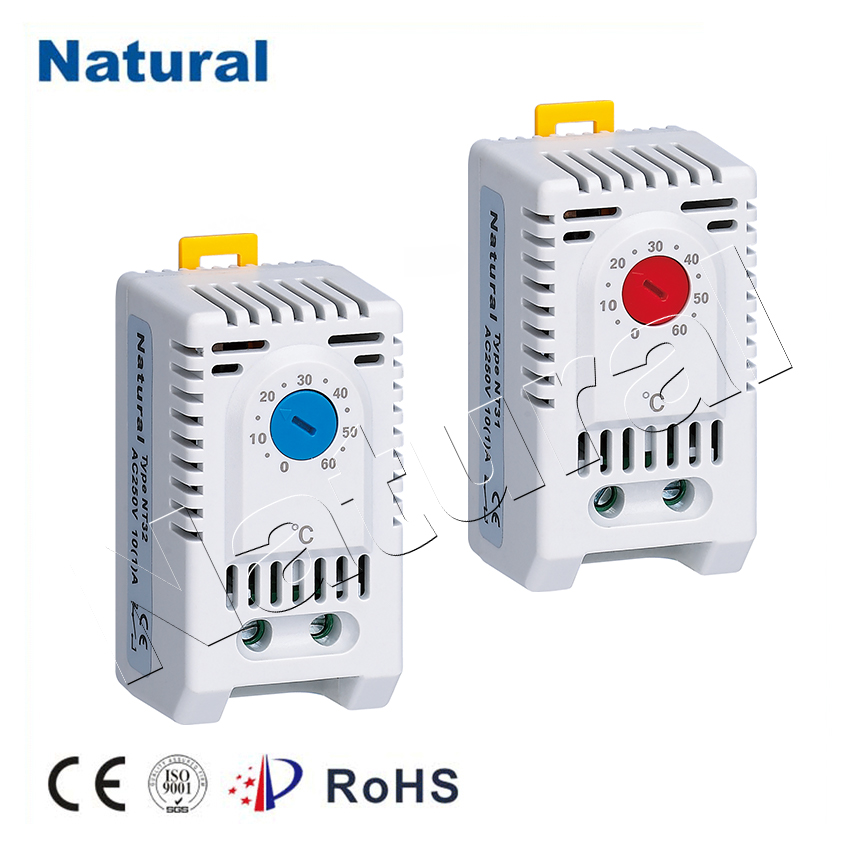
In modern industrial and commercial settings, temperature control is a crucial aspect of maintaining operational efficiency, safety, and product quality. One of the effective tools used for temperature regulation is the DIN rail thermostat. This article delves into the significance of DIN rail thermostats, exploring their features, applications, and benefits, ultimately demonstrating their importance in various industries.
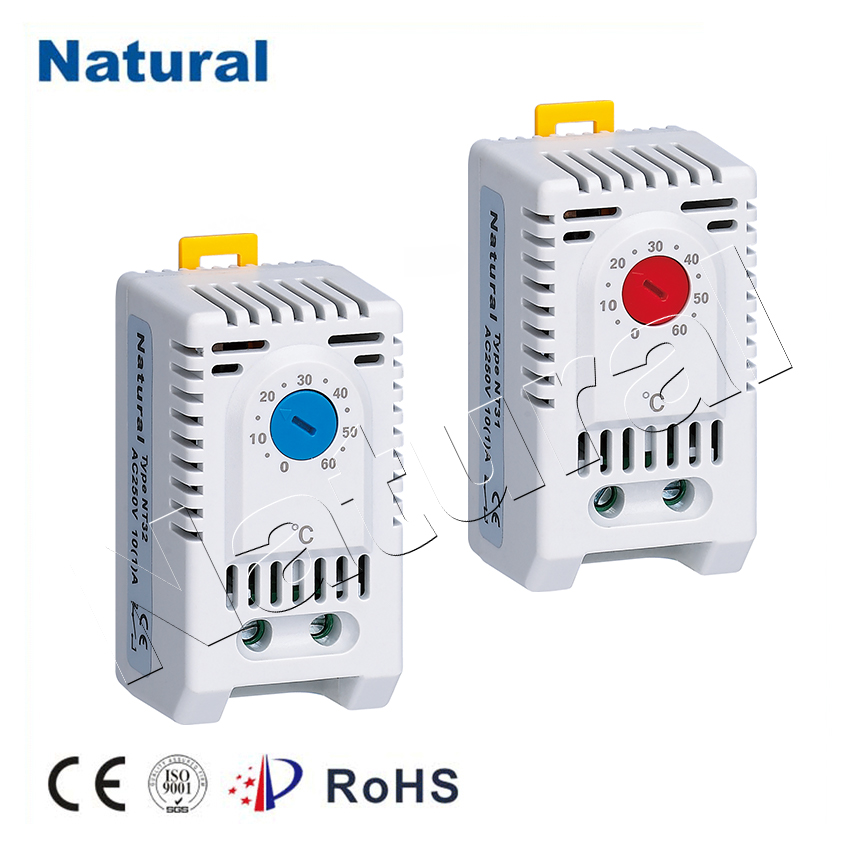
What is a DIN Rail Thermostat?
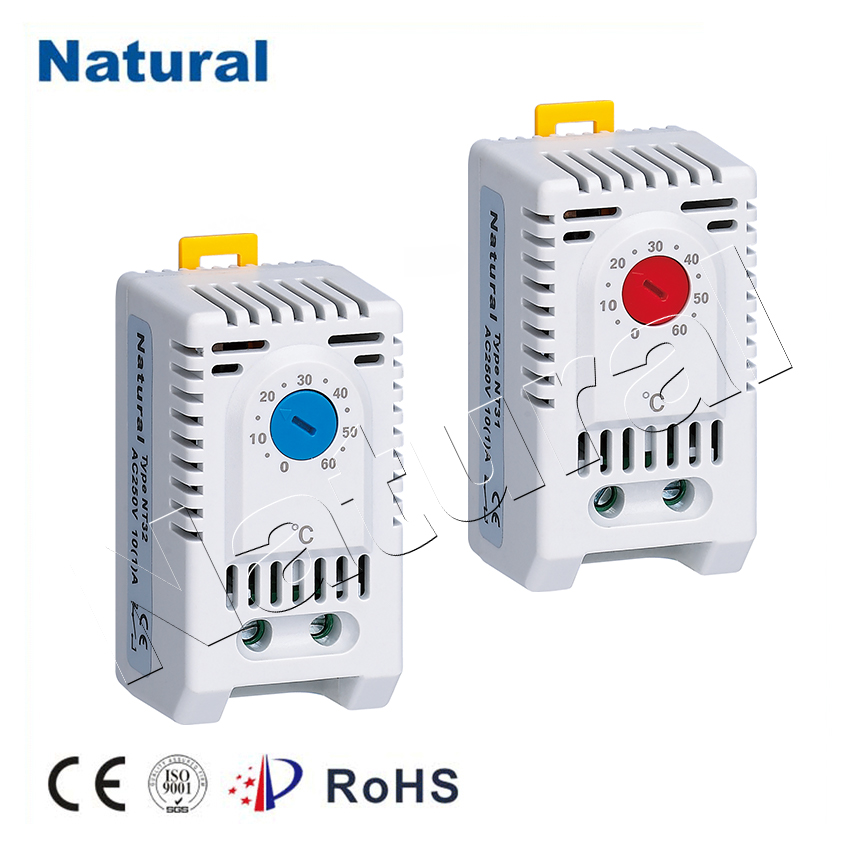
A DIN rail thermostat is a temperature control device specifically designed to be mounted on DIN rails, which are standardized metal rails used for mounting electrical components in enclosures. These thermostats are widely employed in electrical control panels and automation systems. They provide precise temperature regulation by activating or deactivating heating or cooling devices based on the set temperature parameters. Key Features of DIN Rail Thermostats 1.Compact Design DIN rail thermostats are designed to be compact, allowing them to fit into tight spaces within electrical panels. This space-saving feature is particularly beneficial in environments where multiple components must be installed in limited areas.